
Day Tours




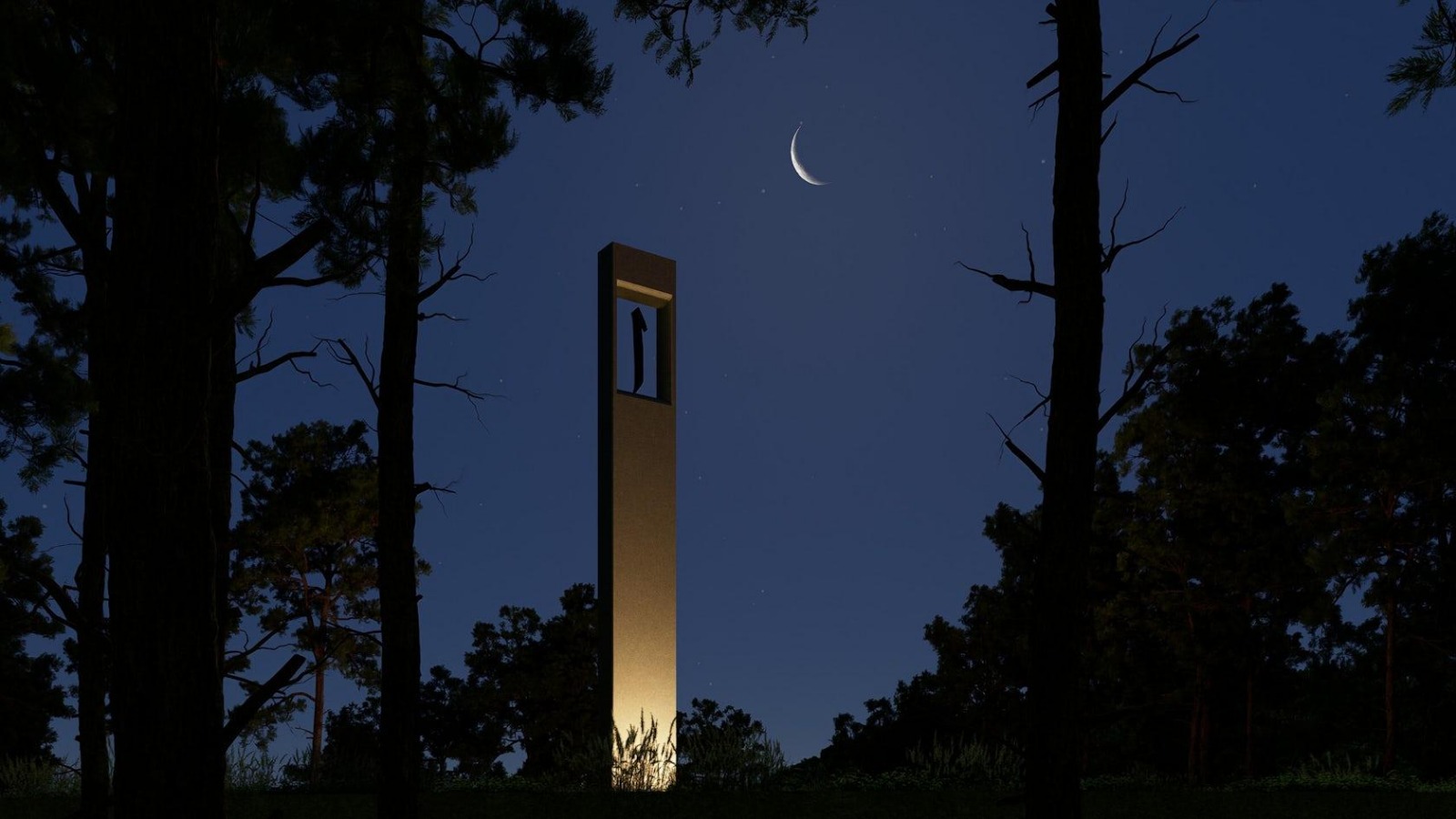
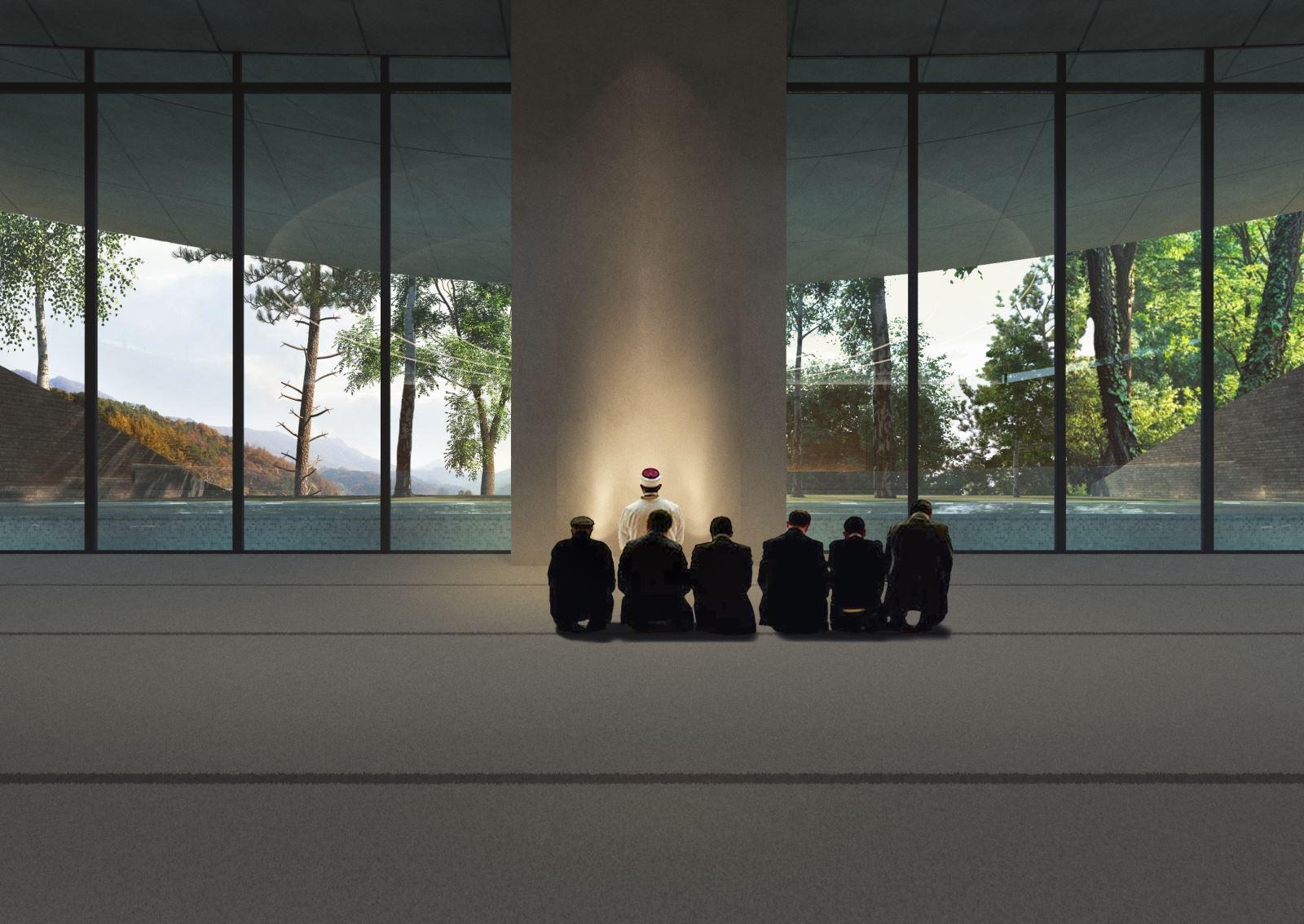
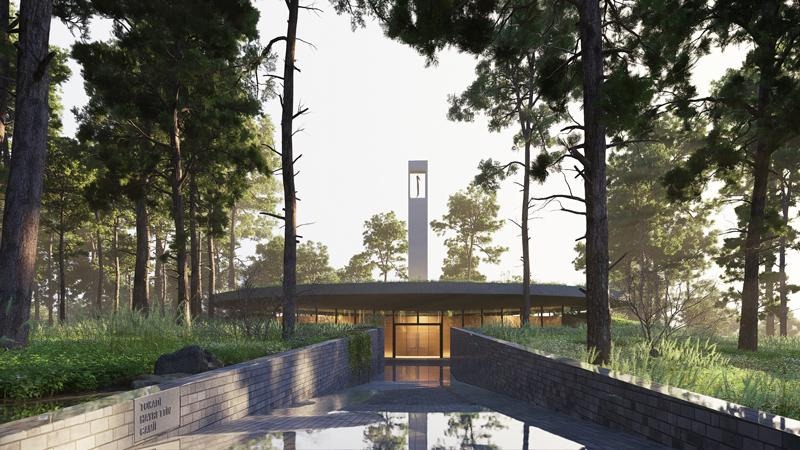
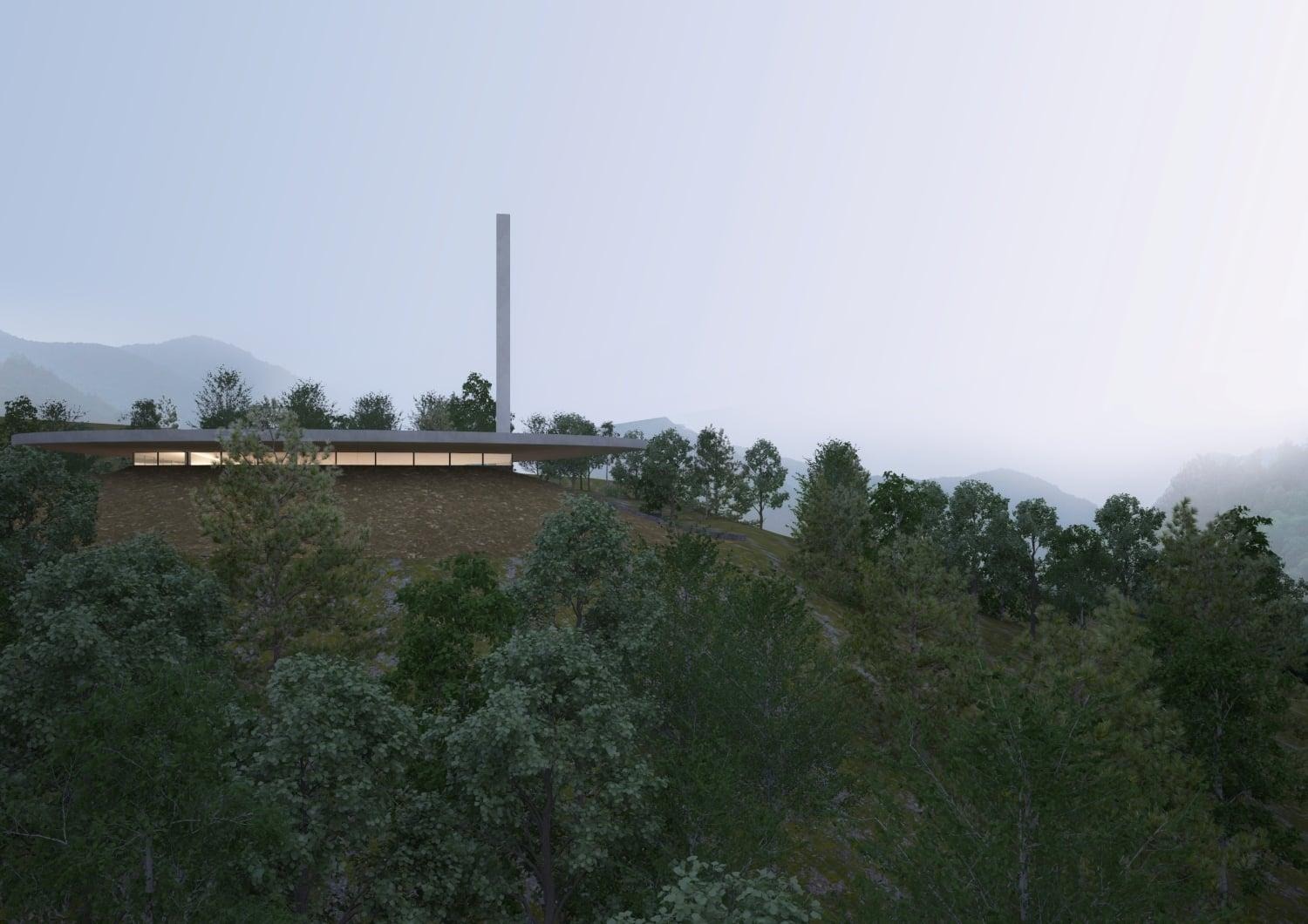
Bolu Green Mosque is a contemporary mosque project designed for a forested area approximately 13 kilometres west of Bolu city centre, in northwestern Türkiye. Developed by Mental Design Works (MDW) under the leadership of architect Salih Çıkman, the project stands out for its architectural approach, which seeks to integrate a place of worship with its natural surroundings. Situated among mature trees, the design reinterprets traditional mosque architecture through contemporary design principles, environmental sensitivity and harmony with nature.
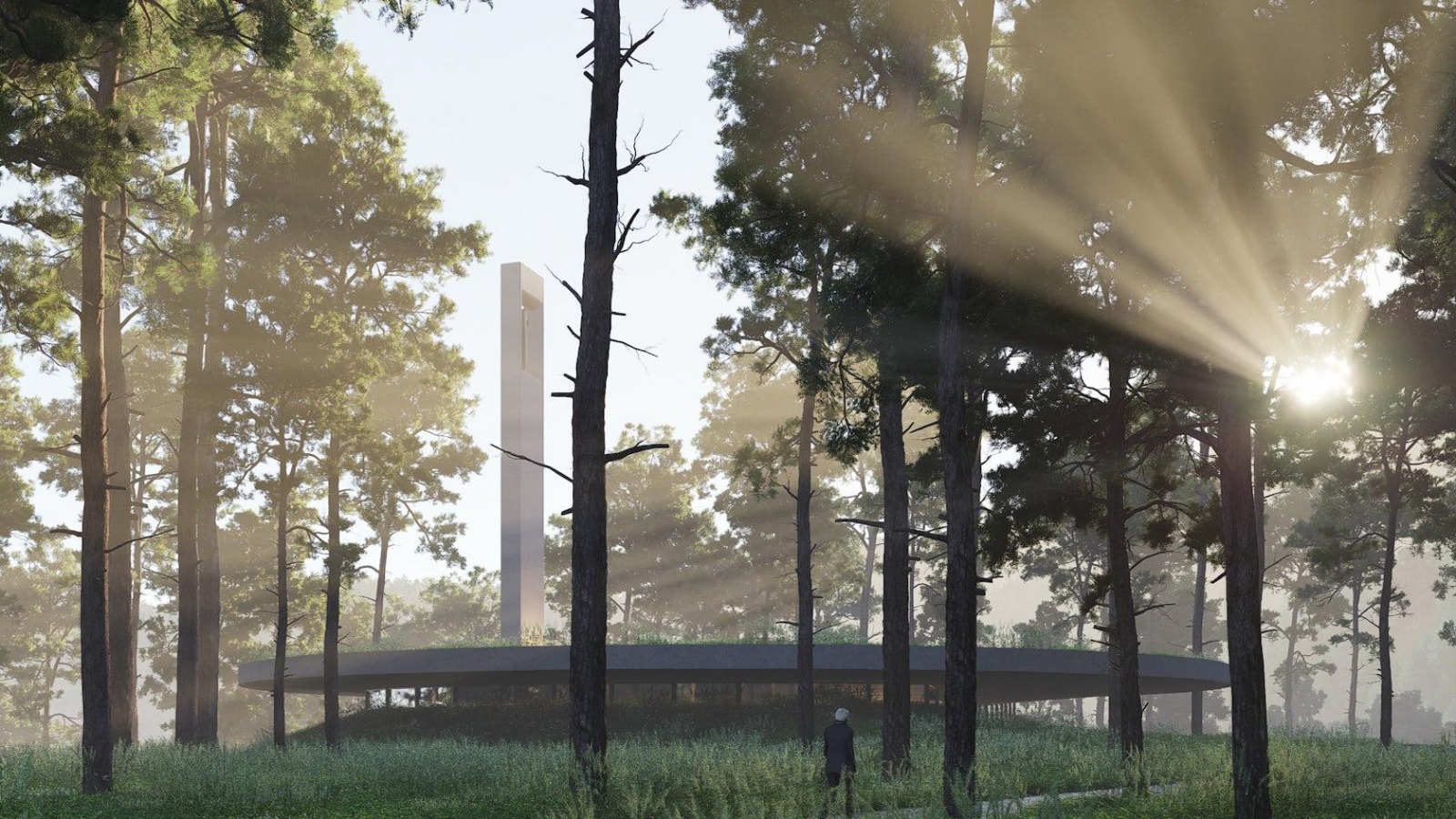
Green Mosque was conceived around the idea of making a place of worship an integral part of the natural landscape. The project's primary architectural approach is to complement the surrounding forest rather than dominate it, creating a peaceful environment for worship and contemplation.
In 2025, the project attracted attention within the architectural community through its recognition in the award programme of the international architecture platform The Plan Award. Its defining characteristics include environmental awareness, minimalist design and a strong relationship with the natural landscape.
The architectural design of Bolu Green Mosque is based on an organic approach that responds to the natural topography. The building's form has been developed to establish visual harmony with the surrounding forest and terrain. By integrating part of the structure with the landscape, the design aims to reduce its visual impact and create a seamless relationship between architecture and nature.
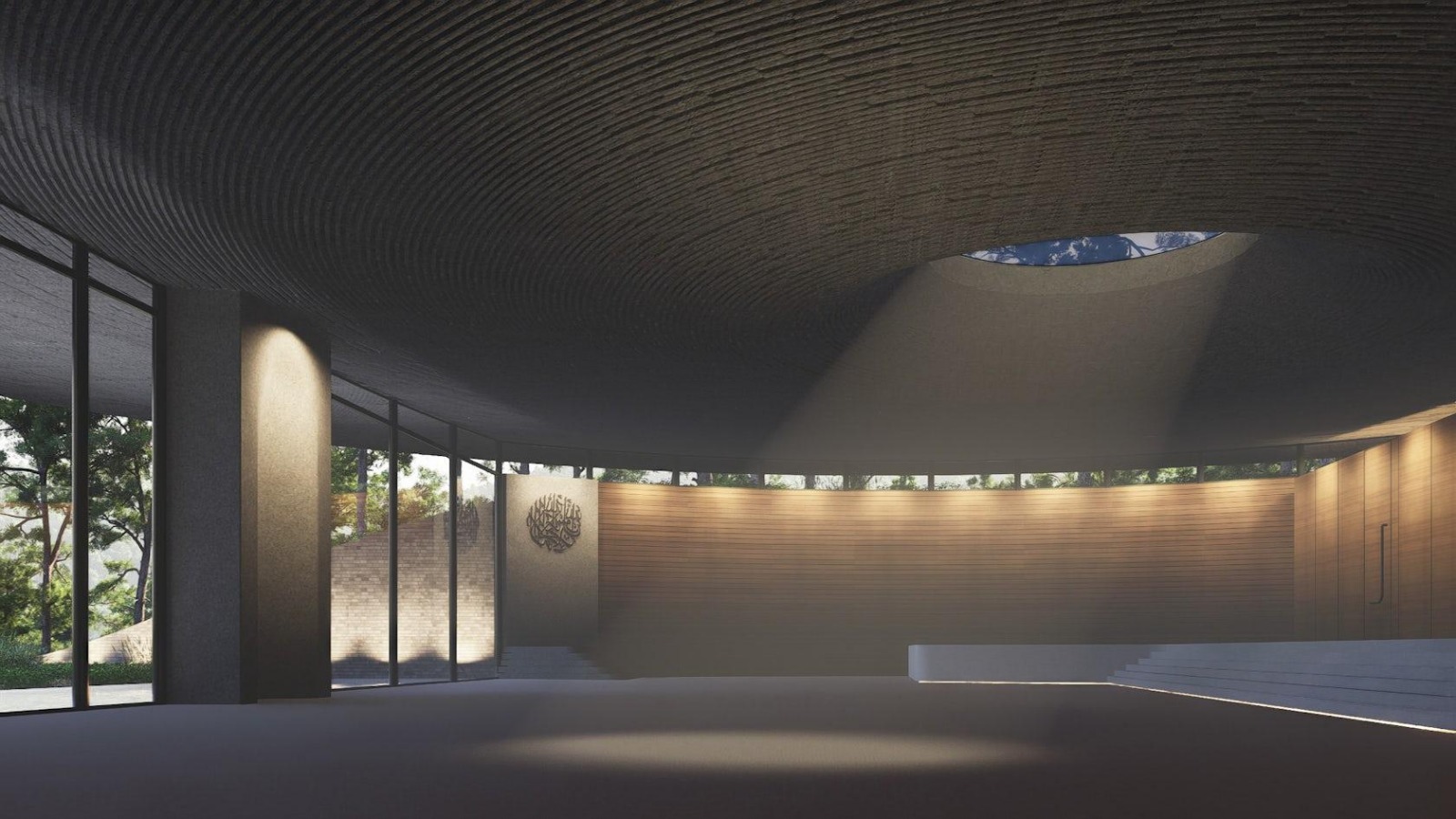
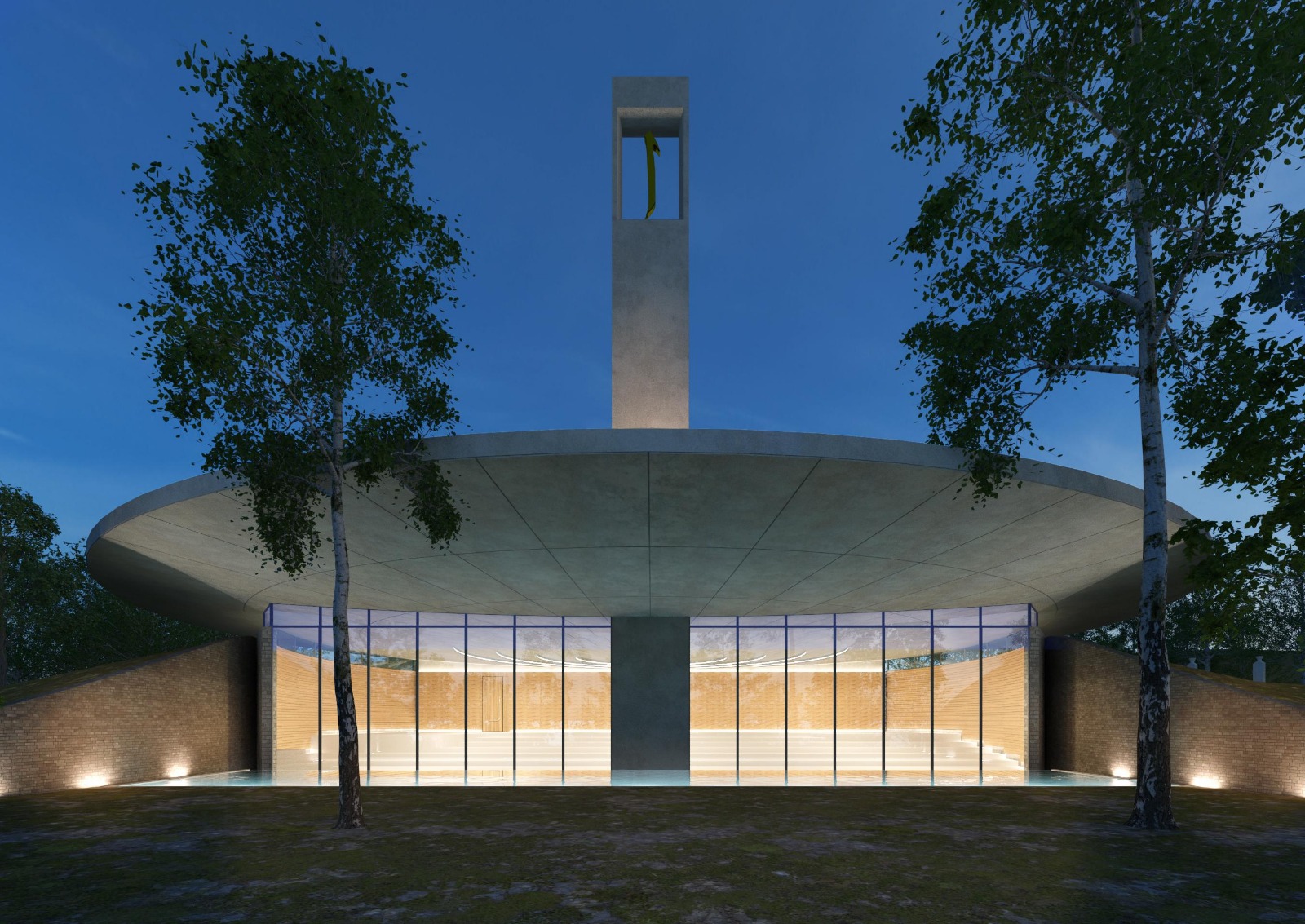
One of the project's most distinctive architectural features is its curved roof form, which resembles an inverted dome. This form symbolically expresses the gathering of worshippers within a shared space and the spiritual relationship between humanity and the Creator.
Materials such as stone, wood and exposed concrete are intended to contribute to the building's natural character. The restrained material palette and minimalist architectural language support the project's aim of creating a place of worship that prioritises tranquillity over ornamentation.
One of the fundamental design principles of the Green Mosque project is the preservation of the natural environment. The site planning aims to protect existing trees and ensure that the building responds sensitively to the terrain. Passive design strategies intended to make use of natural daylight and ventilation are also part of the project's environmental approach.
A large open area planned in front of the mosque is intended to accommodate outdoor prayer when weather conditions permit. In this way, the project is conceived not merely as an enclosed place of worship but as a spiritual gathering space that maintains a direct connection with nature.
Bolu Green Mosque can be considered among contemporary religious architecture projects that bring together nature, spirituality and sustainability. The reinterpretation of traditional mosque elements, including the dome, through a contemporary design language is central to the project's architectural identity.
Its forested setting, landscape-integrated building form and emphasis on natural materials highlight the relationship between the structure and its environment. This approach demonstrates how places of worship can be designed not simply as architectural objects, but as spaces that form part of a broader environmental and spiritual experience.
The Bolu Green Mosque project is planned for a forested area approximately 13 kilometres west of Bolu city centre, in Türkiye. Its location within a natural landscape is one of the central elements of the architectural concept.
According to the project's published architectural records, the estimated completion date is December 2027. The mosque should therefore be understood as a contemporary architectural project that is still in the planning or development process, rather than as a completed historic mosque open to visitors.
Accommodation
Transport
Comfort
Food