

Day Tours




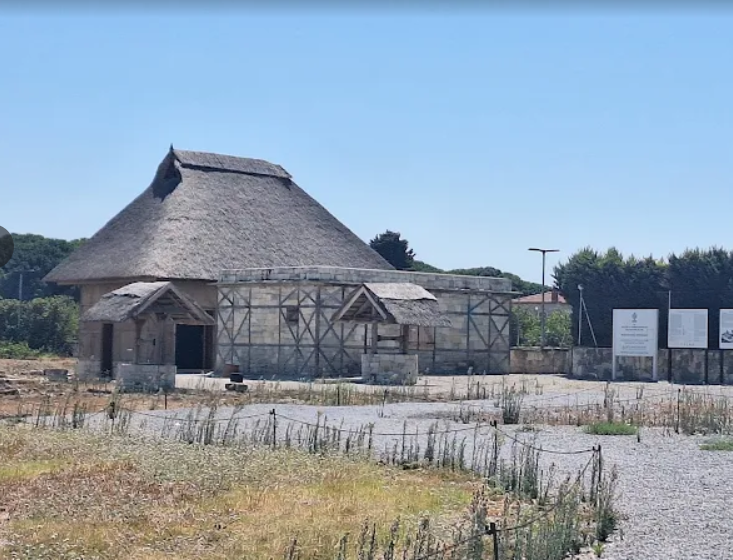
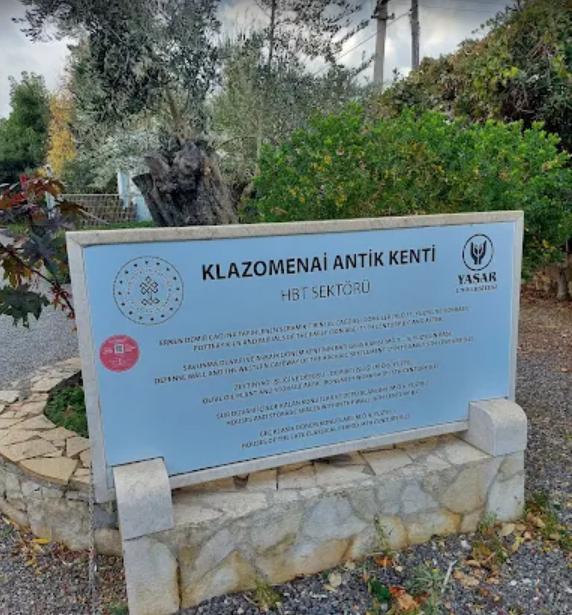
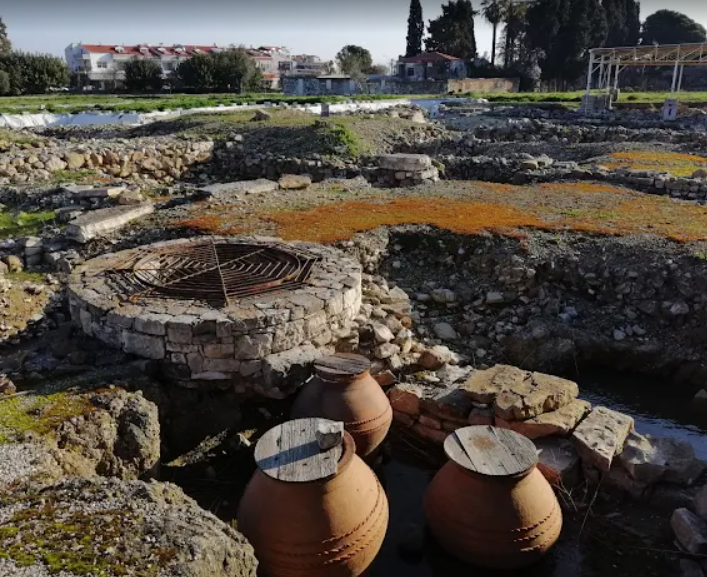
Klazomenai is a historic Ionian city located on the southern coast of the Gulf of Izmir, 38 km west of Izmir, within the municipality of Urla. It is considered one of the twelve Ionian cities. The name Kilizman, used for the coastline east of Urla, derives from this ancient city.
According to Pausanias, the establishment of ancient Greek colonies in Klazomenai and Phocaea is later than other Ionian colonies along the Aegean coast. Archaeological traces of Ionian immigrants at Klazomenai currently date to the mid-10th century BC, in other words, the late Protogeometric period. The sanctuary likely located on the acropolis can also be said to have been active from the late 8th century BC onward. This appears consistent with Pausanias' information that Klazomenai was settled later than other Ionian cities. Pausanias also states that Clazomenae and Phocaea were not inhabited before the arrival of the Ionians in Asia, a claim proven false by the discovery of the Limantepe and Panaztepe mounds.
In the early stages of its foundation, Clazomenae suffered the Cimmerian attacks that devastated the Phrygian Kingdom and later fell under siege by the Lydian giants. The Abdera colony, first established by Clazomenae around 650 BC on the fertile alluvial plain of the Nestos River (Karasu in Turkish) in Thrace, and the Cardia colony, established alongside Miletus on the Black Sea coast of Thrace at a similar date, are the first known examples of Clazomenaean colonization. It appears that Clazomenae, along with other Ionian cities, participated in the establishment of many of the colonies established along the coasts of the Sea of Marmara and the Black Sea under Miletus's leadership, which numbered 70. Clazomenae, as reported by Herodotus, participated in the mercenary relations between Ionian cities and Egypt, which began during the reign of Pharaoh Psammetichus in the 7th century BC. Archaic settlement was interrupted by the Persian invasion around 546 BC, and the city was abandoned for 20-25 years.
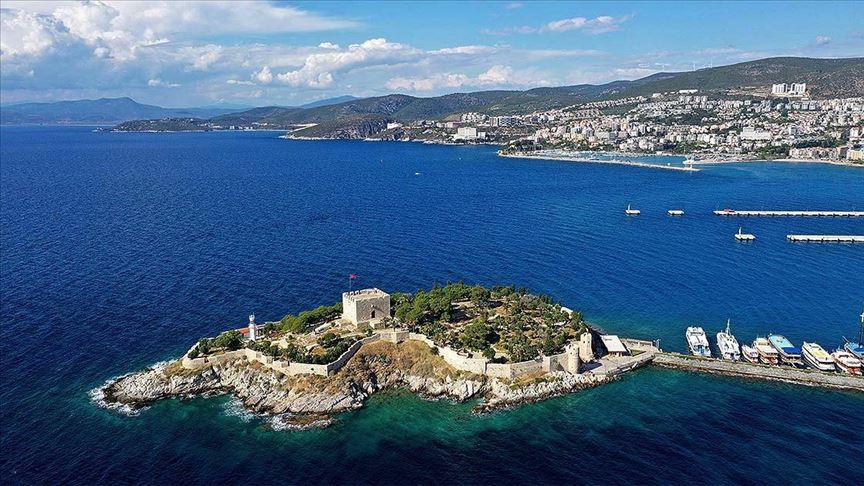
From the last quarter of the 6th century BC onwards, Clazomenae developed a vibrant industrial and commercial activity, particularly based on olive oil exports. Following the failure of the first rebellion of Ionian cities against the Persians between 499 and 494 BC, Clazomenae was also affected by the end of the Persians' moderate policies. The city's inhabitants abandoned their mainland territories and, as Pausanias relates, "moved to the island out of fear of the Persians." From 487 BC onwards, the city paid regular tribute to the Attic Delian League, established by Athens. During the Peloponnesian War, Clazomenae initially sided with Athens, but after Athens' defeat by Sparta in Sicily in 413 BC, they defected to Sparta and attempted to fortify Polikhne (Balıklıova) on the mainland. Athens quickly re-established its dominance, and the leaders of the revolt fled to a settlement called Daphnus. During the Spartan commander Lysander's short-lived attempt to establish dominance in Anatolia in 405 BC, it appears that some Clazomenaeans repeated their rebellion and founded a city on the mainland near the island, at a site called Khytron. The war between Clazomenae on the island and Khytron on the mainland continued for a long time. During this period, Clazomenae embarked on a small colonization campaign in the lands north of the Gulf of Izmir, near the former delta of the Gediz River, establishing the Leukaean colony in the area known today as Üçtepeler (Three Hills) and in ancient records as Kilazmanı. After Alexander the Great ended Persian rule in Anatolia, he connected the island on which Clazomenae is located (Karantina Island) to the mainland by a road. Following the Peace of Apameia in 188 BC during the Roman Empire, Clazomenae was among the cities liberated by the Romans, and the island of Drymoussa (Uzunada) was also allowed to be incorporated into the city's territory. The city on the island is understood to have been abandoned in the 5th century.
Accommodation
Transport
Comfort
Food