



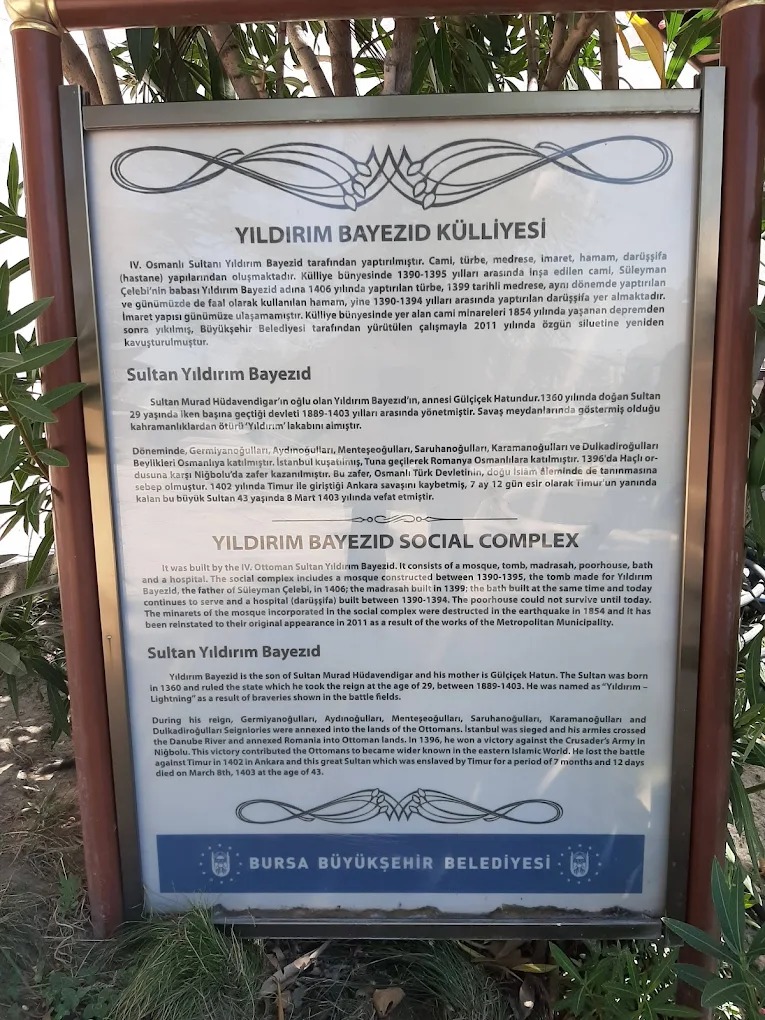

Yildirim (Bayezid I) Complex
Yıldırım Complex (Bayezid I Complex)
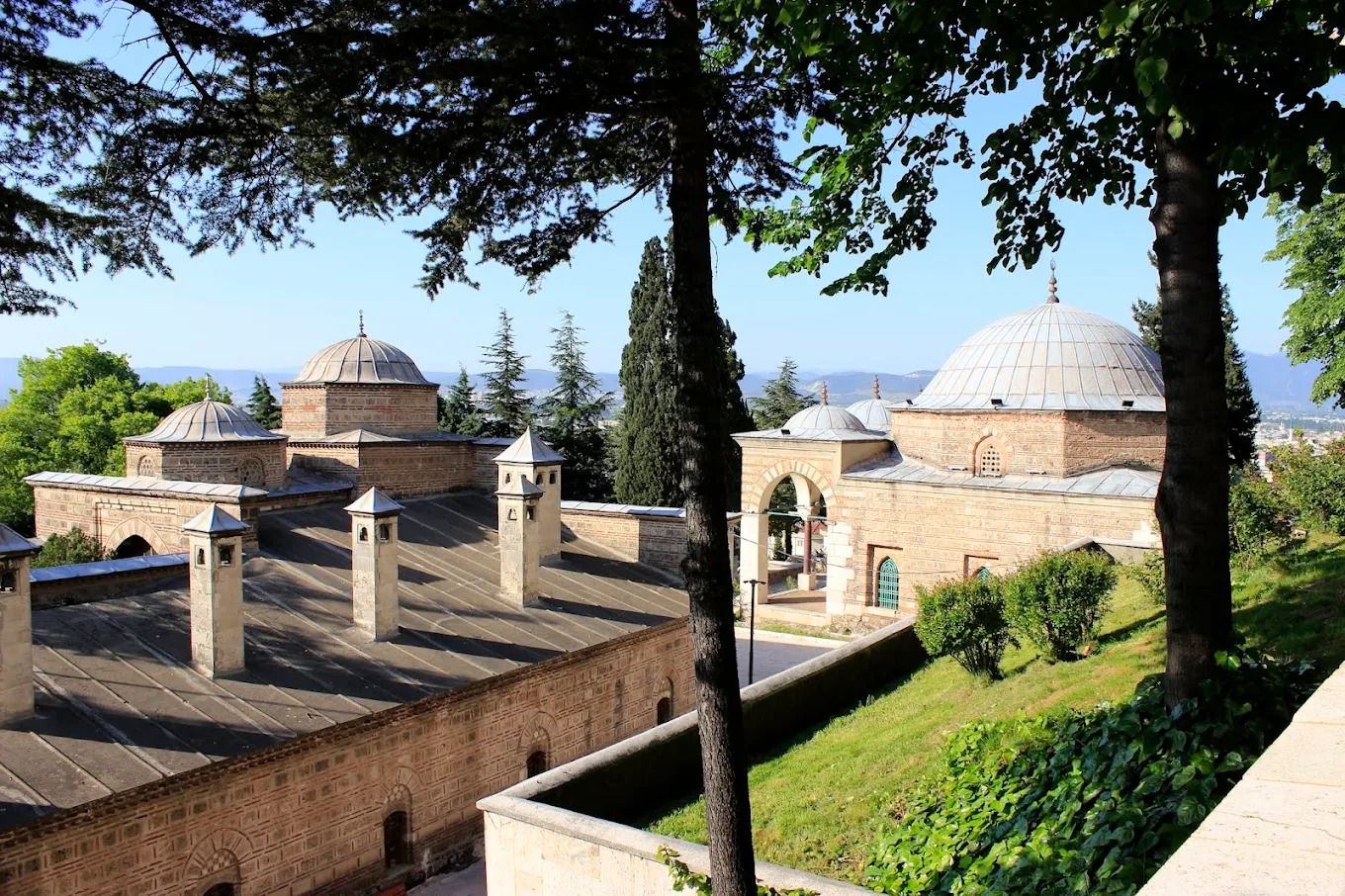
The Yıldırım Complex (also known as the Bayezid I Complex) is an important early Ottoman architectural complex located in the Yıldırım district of Bursa, Turkey. The complex was commissioned by Ottoman sultan Bayezid I (Yıldırım Bayezid) in the late 14th century.
History
The Yıldırım Complex was constructed in the 1390s, during the reign of Bayezid I. It represents one of the early examples of Ottoman complexes that combined religious, social, and educational functions. The complex was built during the period when Bursa served as the Ottoman capital and is regarded as one of the significant architectural works of that era.
Structures of the Complex
The Yıldırım Complex consists of several buildings with different functions. The main structures within the complex include:
-
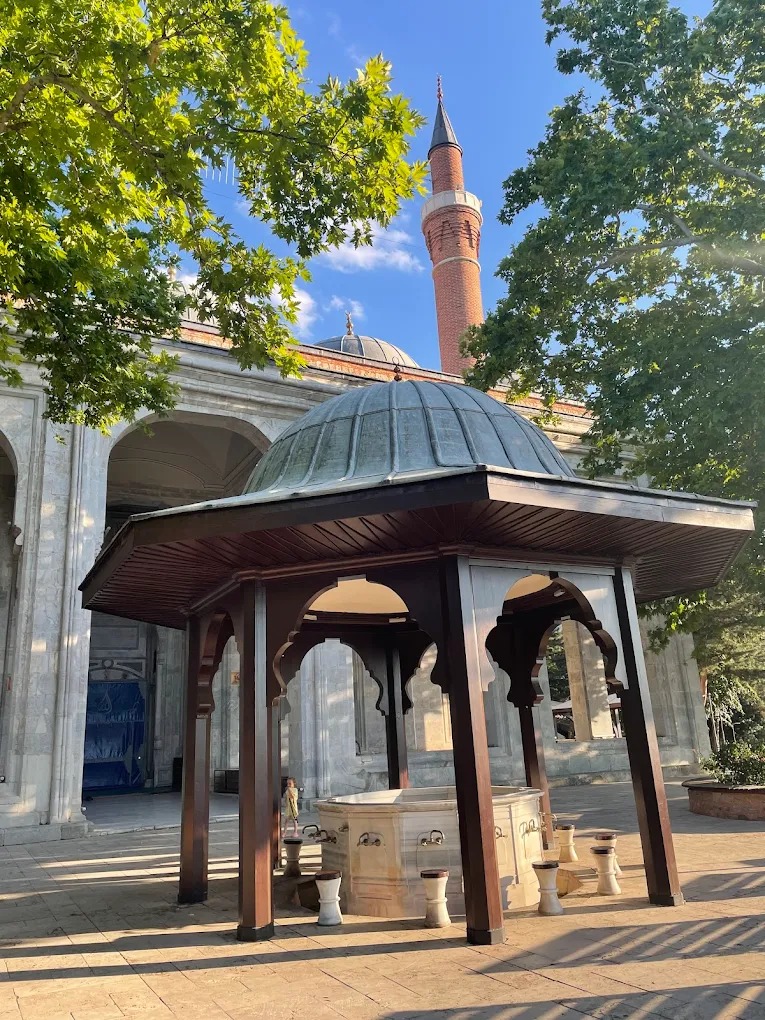
Yıldırım Bayezid Mosque
-
Madrasa
-
Darüşşifa (hospital)
-
Imaret (soup kitchen)
-
Bathhouse (hamam)
-
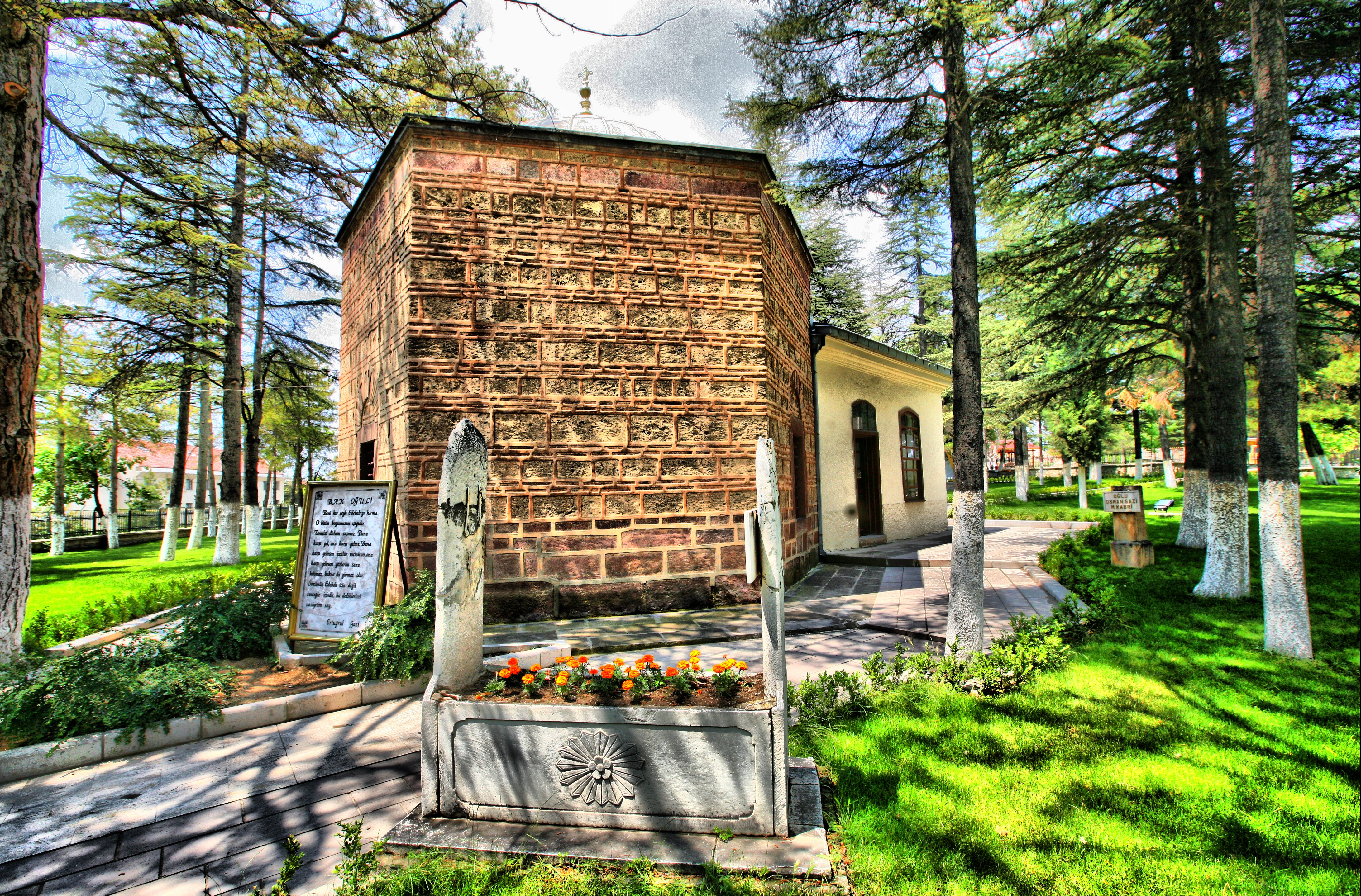
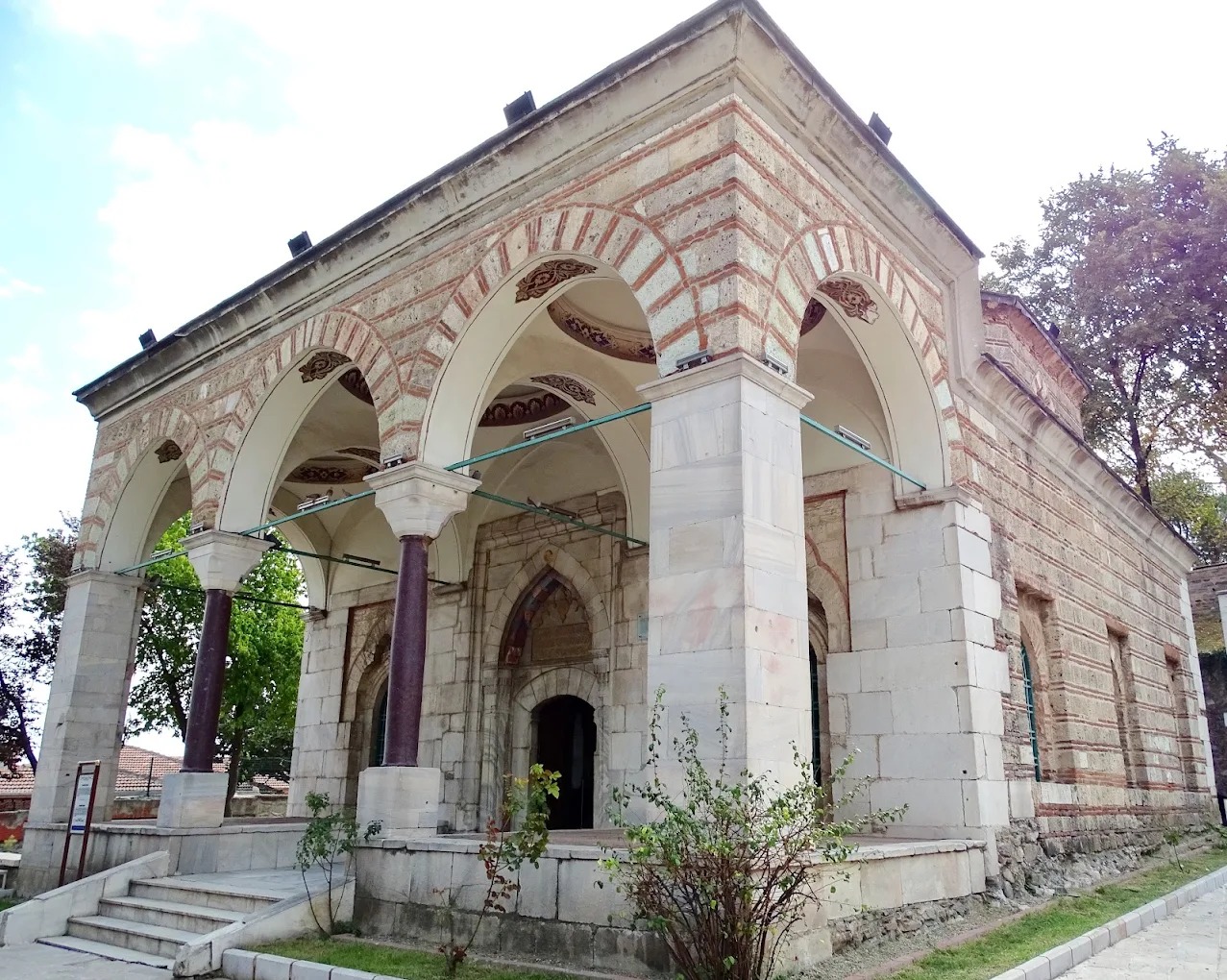
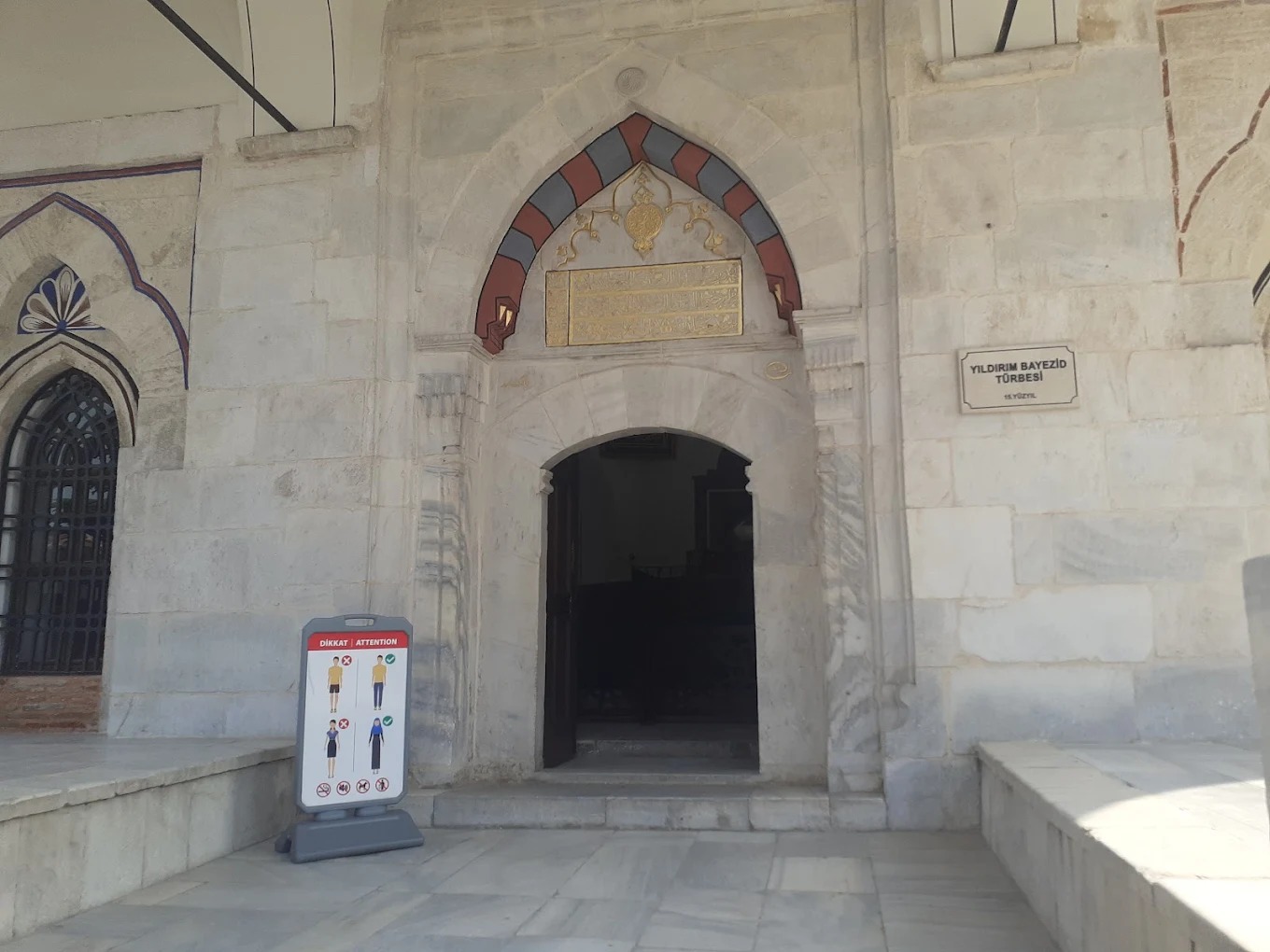
Mausoleum (türbe)
These structures were designed to meet the social and public needs of the period.
Architectural Features
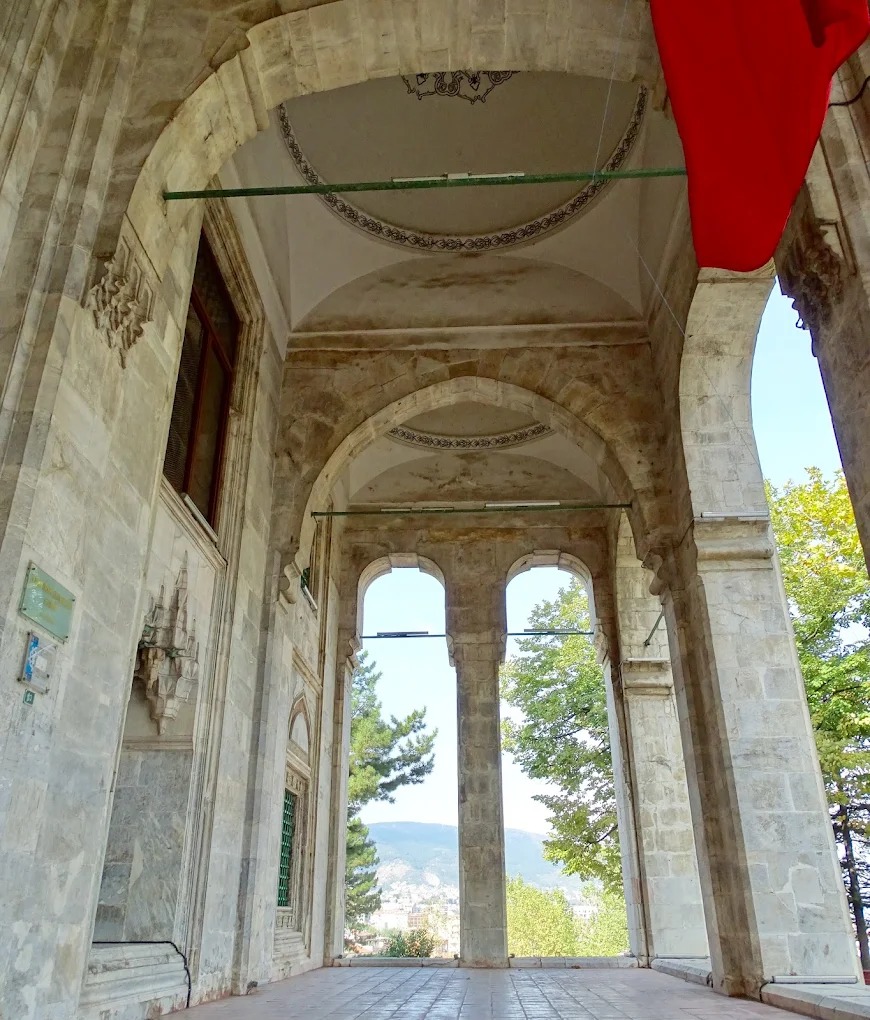
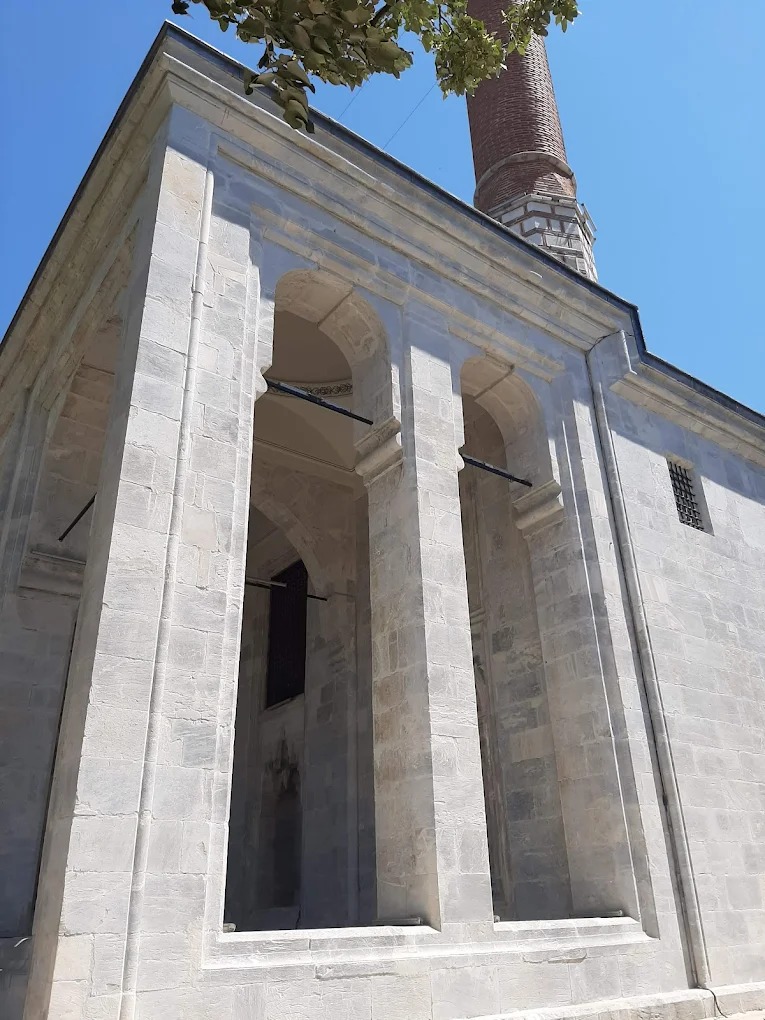
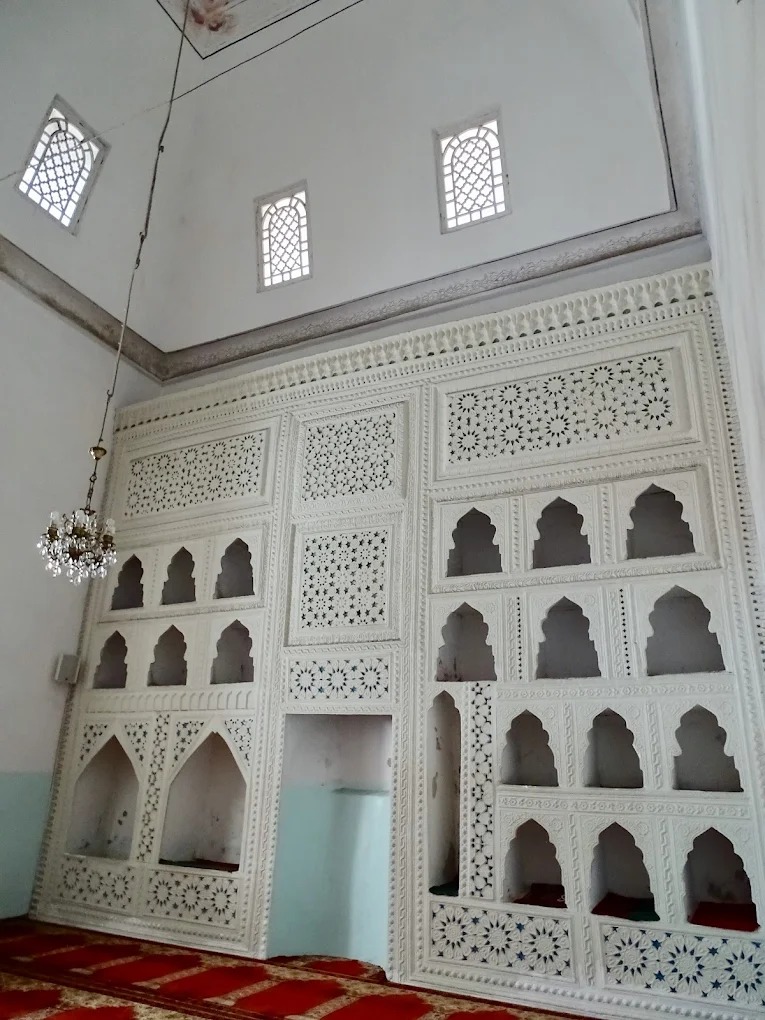
The buildings of the complex reflect the simple and functional characteristics of early Ottoman architecture. The use of cut stone and brick is common, and the overall layout demonstrates the urban planning approach of the period.
Yıldırım Complex Today
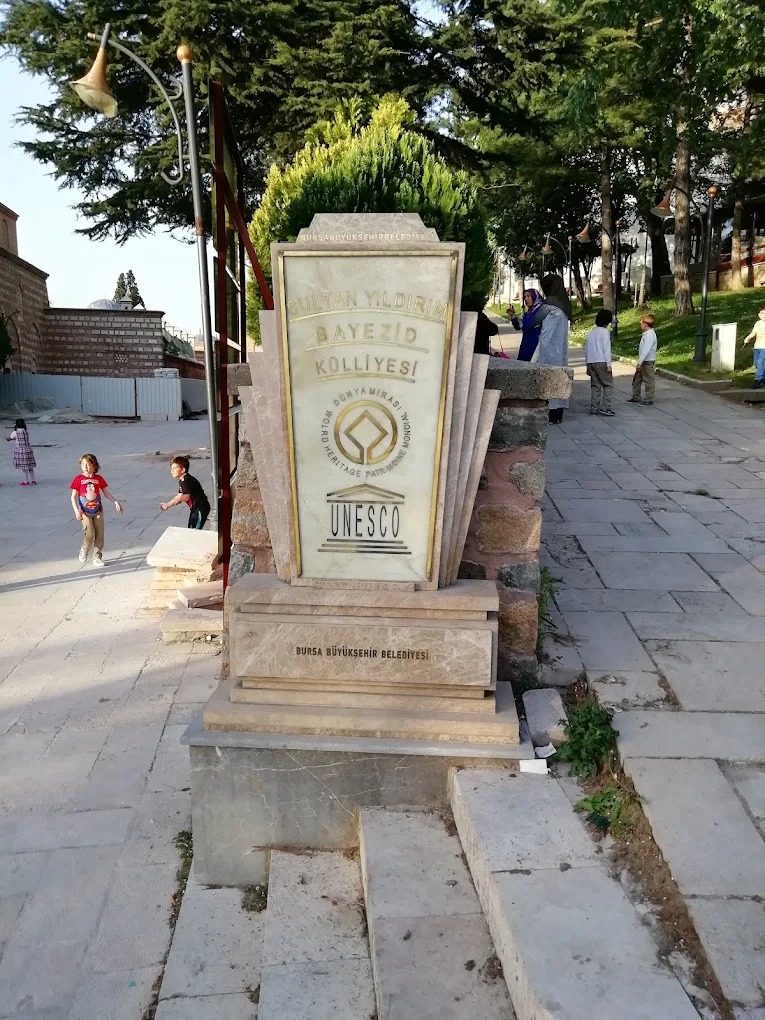
Today, the Yıldırım Complex is protected as part of Turkey’s cultural and historical heritage. Some of its buildings continue to be used for religious and cultural purposes, while others are preserved as historical monuments open to visitors.
Location
The Yıldırım Complex is located to the east of Bursa’s city center, within the Yıldırım district.