




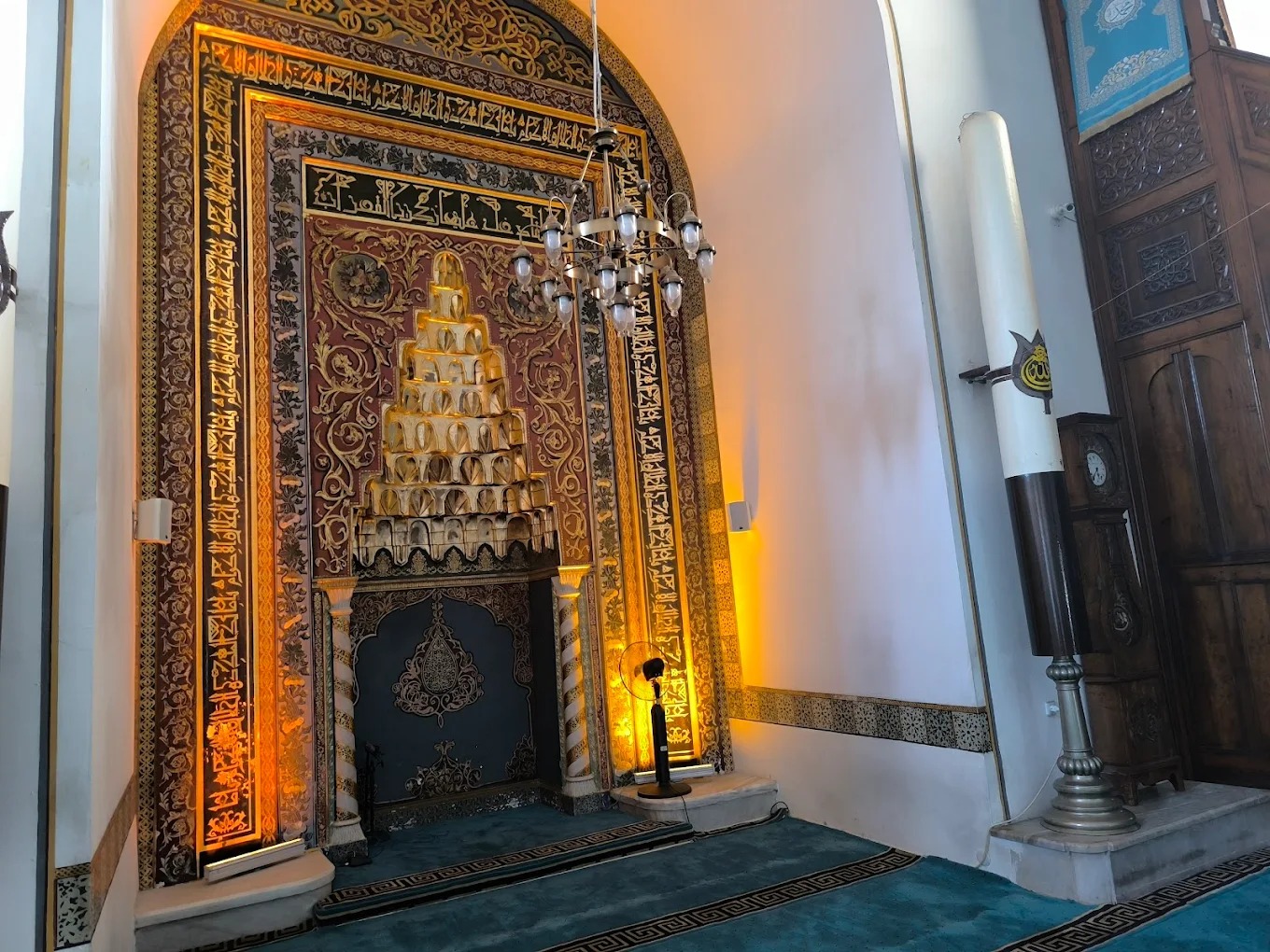

I. Murad Hüdavendigar Mosque
Hüdavendigâr Mosque (Bursa)
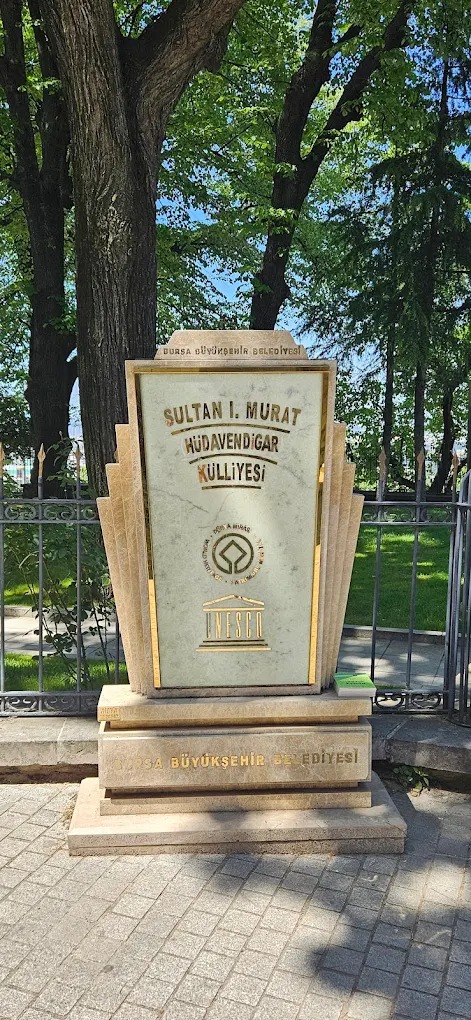
The Hüdavendigâr Mosque (also known as the Mosque of Murad I) is a historic mosque located in the Osmangazi district of Bursa, Turkey. It is one of the significant examples of early Ottoman architecture and was commissioned by Ottoman sultan Murad I (Hüdavendigâr) in the second half of the 14th century. The mosque forms the main structure of the Hüdavendigâr Complex (Hüdavendigâr Külliyesi).
History
The Hüdavendigâr Mosque was constructed in the 1360s, during the period when Bursa served as the capital of the Ottoman state. The building is among the important religious and social structures of the era and reflects the institutionalizing architectural approach of the Ottoman expansion into the Balkans.
Architectural Features
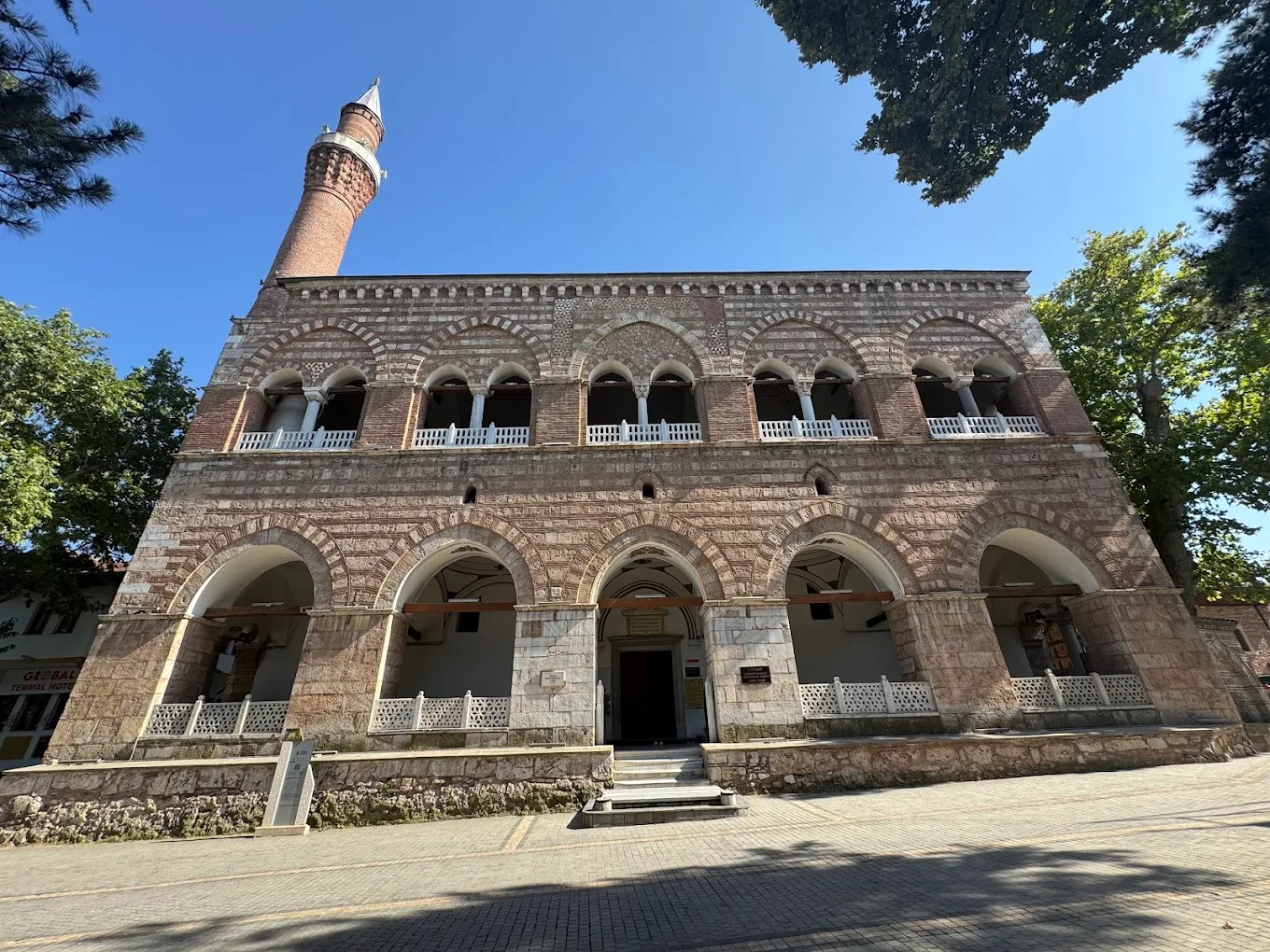
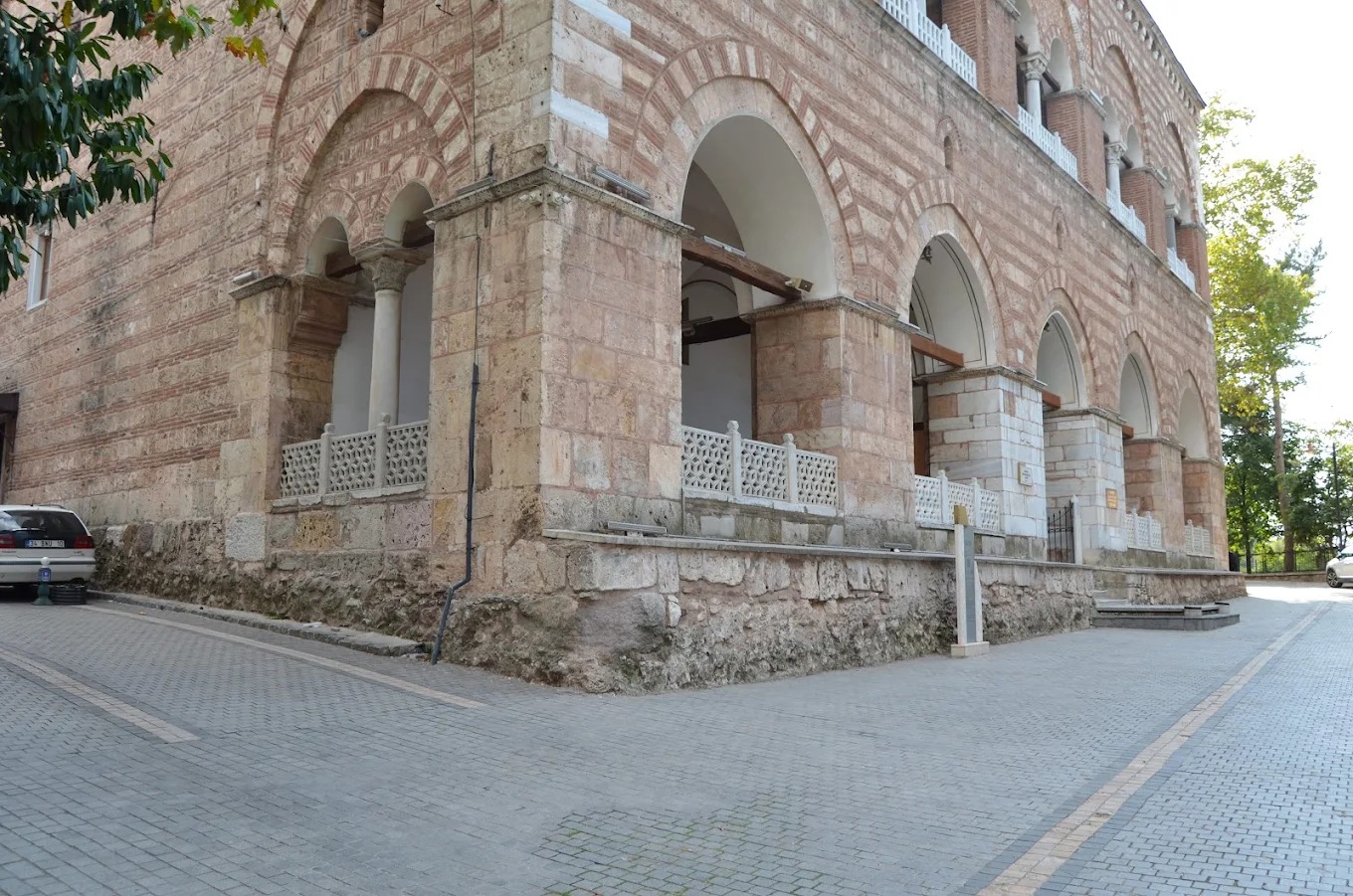
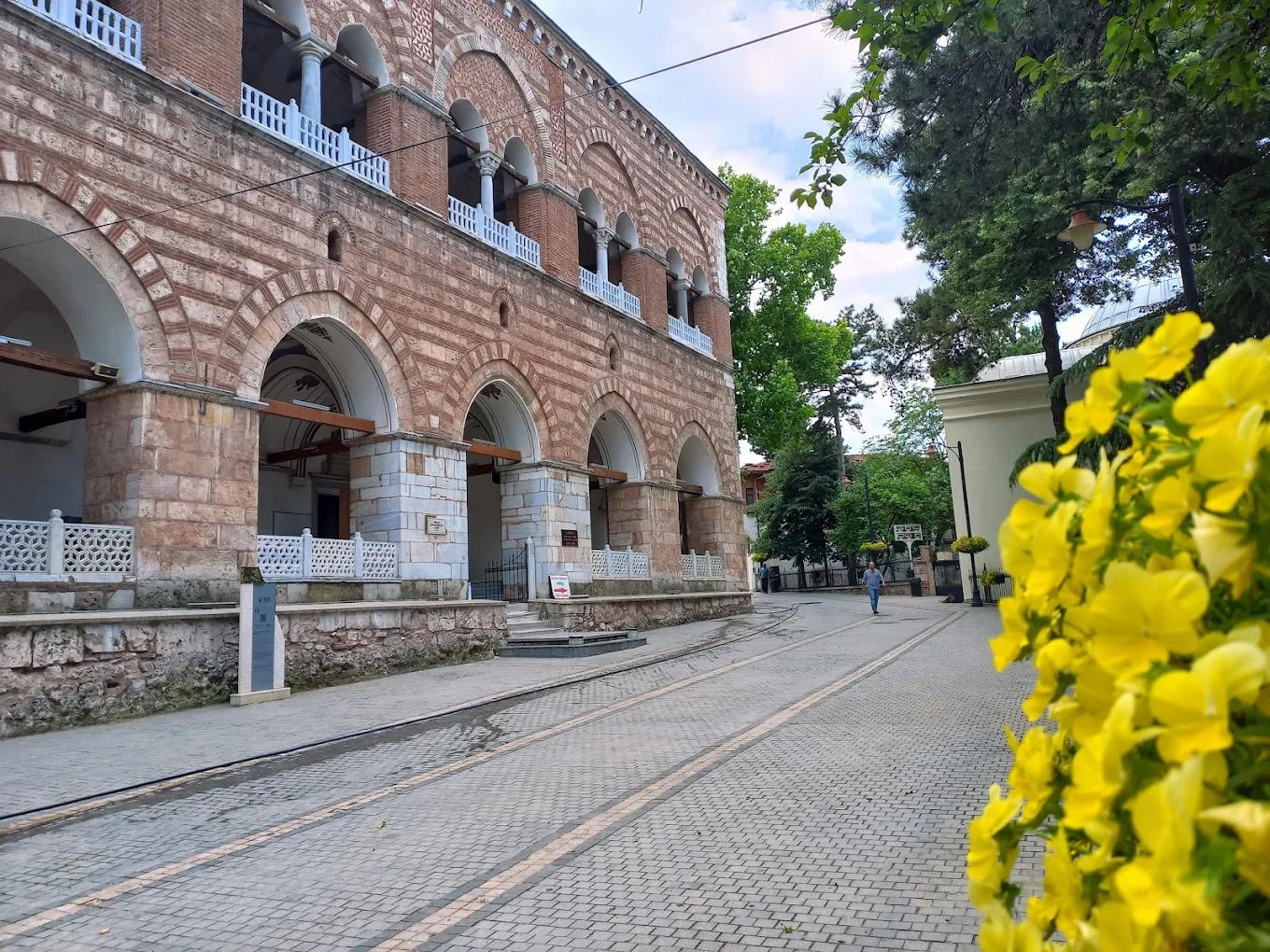
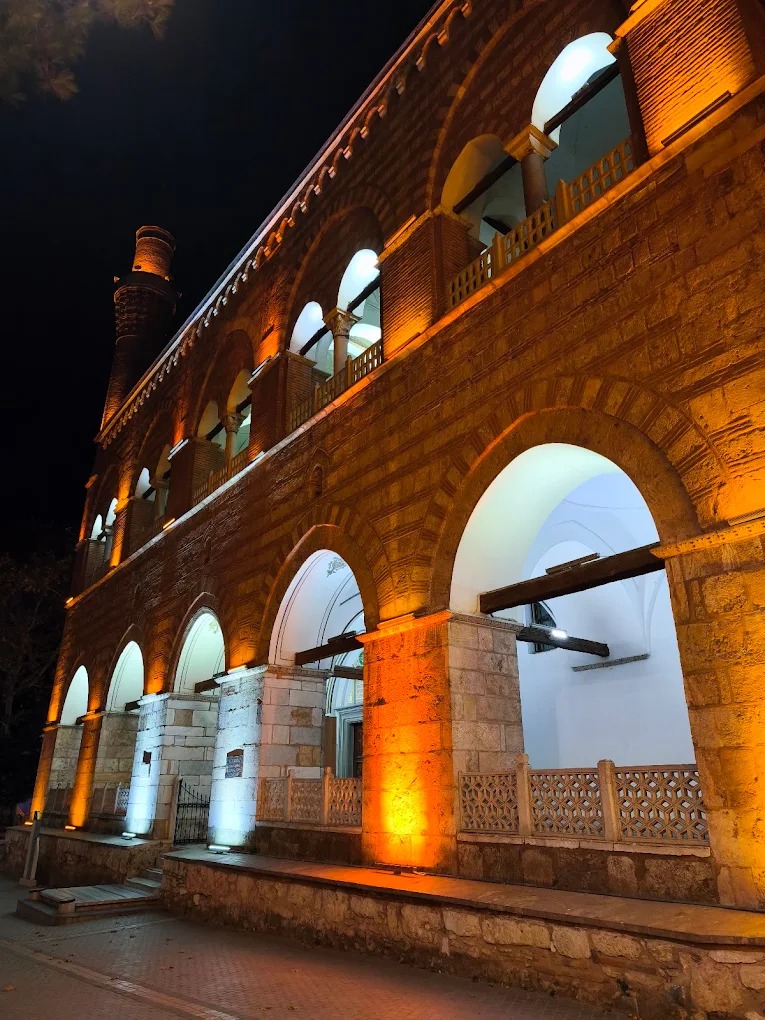
The Hüdavendigâr Mosque is notable for its two-storey mosque plan, which is considered unique in Ottoman architecture.
-
The lower floor was designed as a madrasa (Islamic school).
-
The upper floor serves as the main prayer hall.
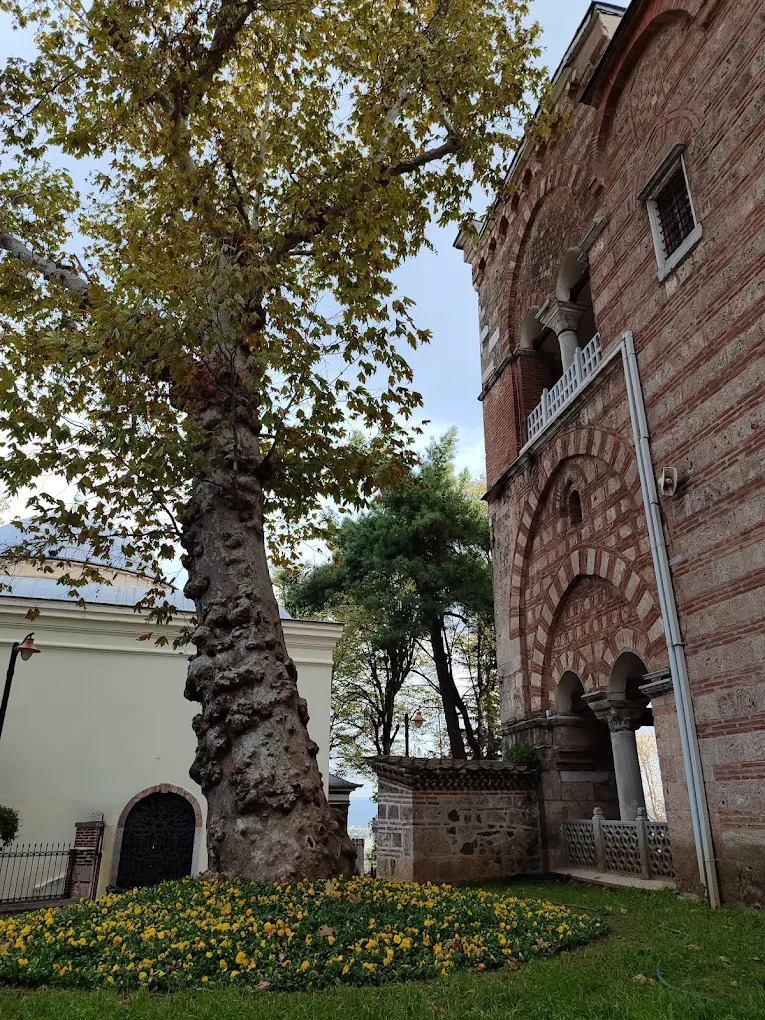
The structure was built using cut stone and brick. This layout represents an original example of early Ottoman architecture in which religious worship and education were combined within a single building.
Hüdavendigâr Complex
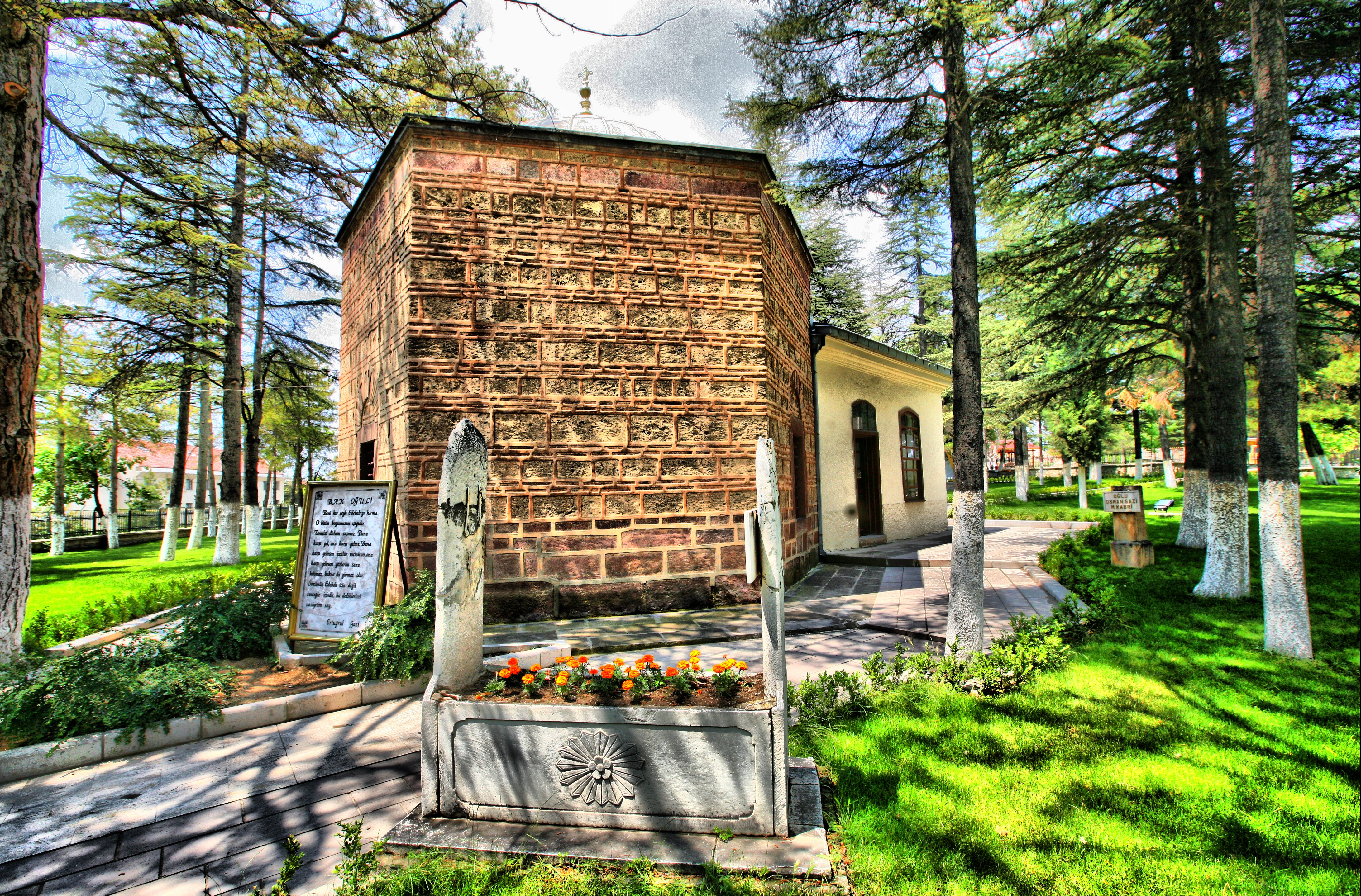
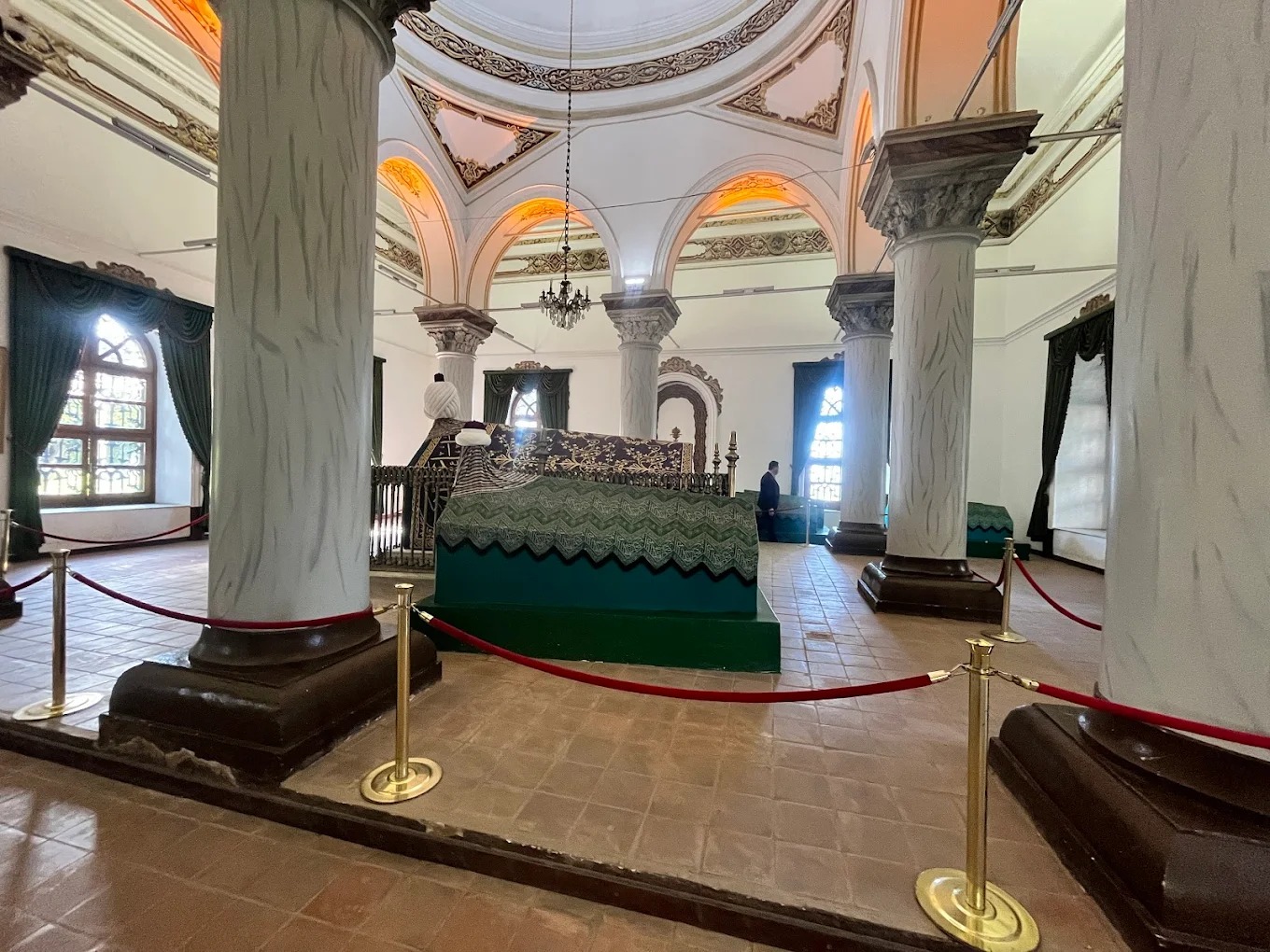
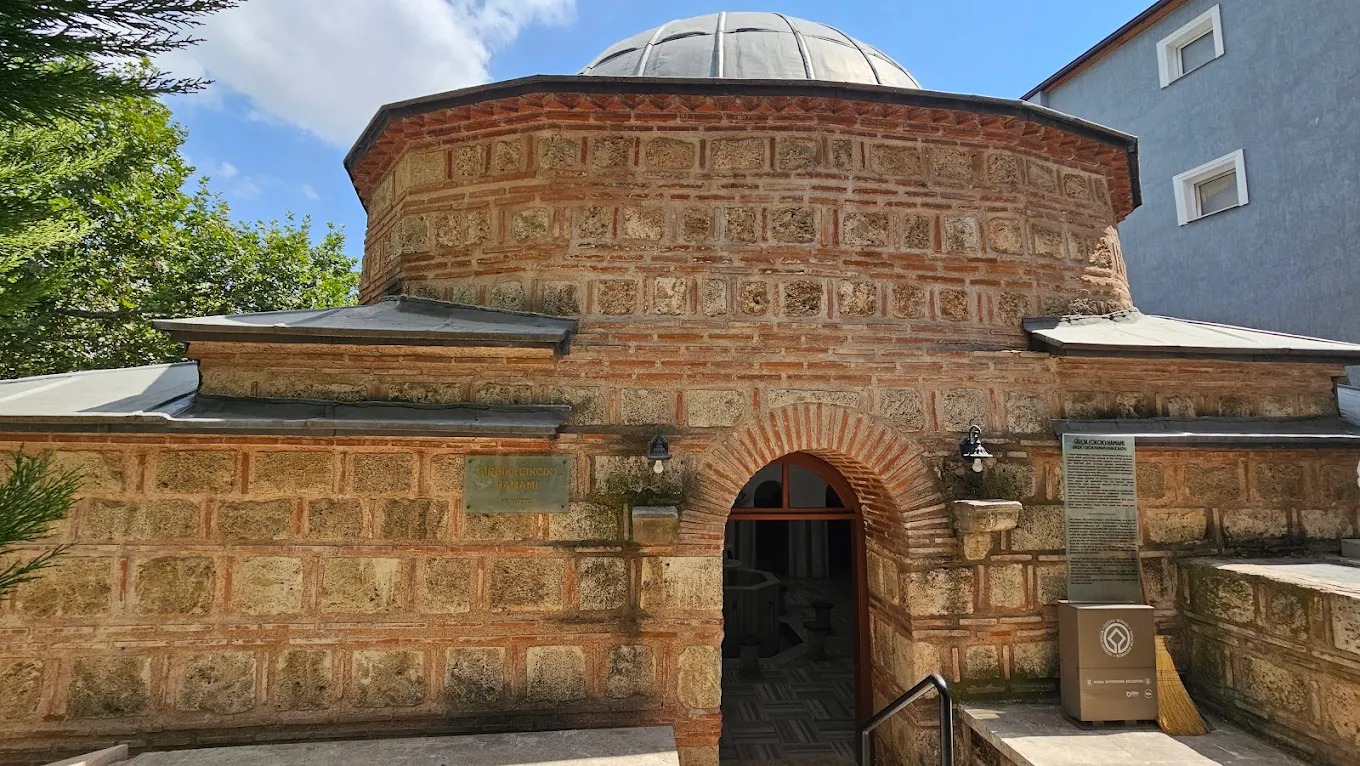
The mosque is centrally located within the Hüdavendigâr Complex, which includes the mosque itself as well as a madrasa, a mausoleum, a bathhouse, and other social structures. The complex played an important role in the development of Bursa’s historic urban fabric.
Hüdavendigâr Mosque Today
Today, the Hüdavendigâr Mosque remains open for worship and is regarded as one of Bursa’s important historical and religious landmarks. Due to its architectural features and location, it attracts both local and international visitors.
Location
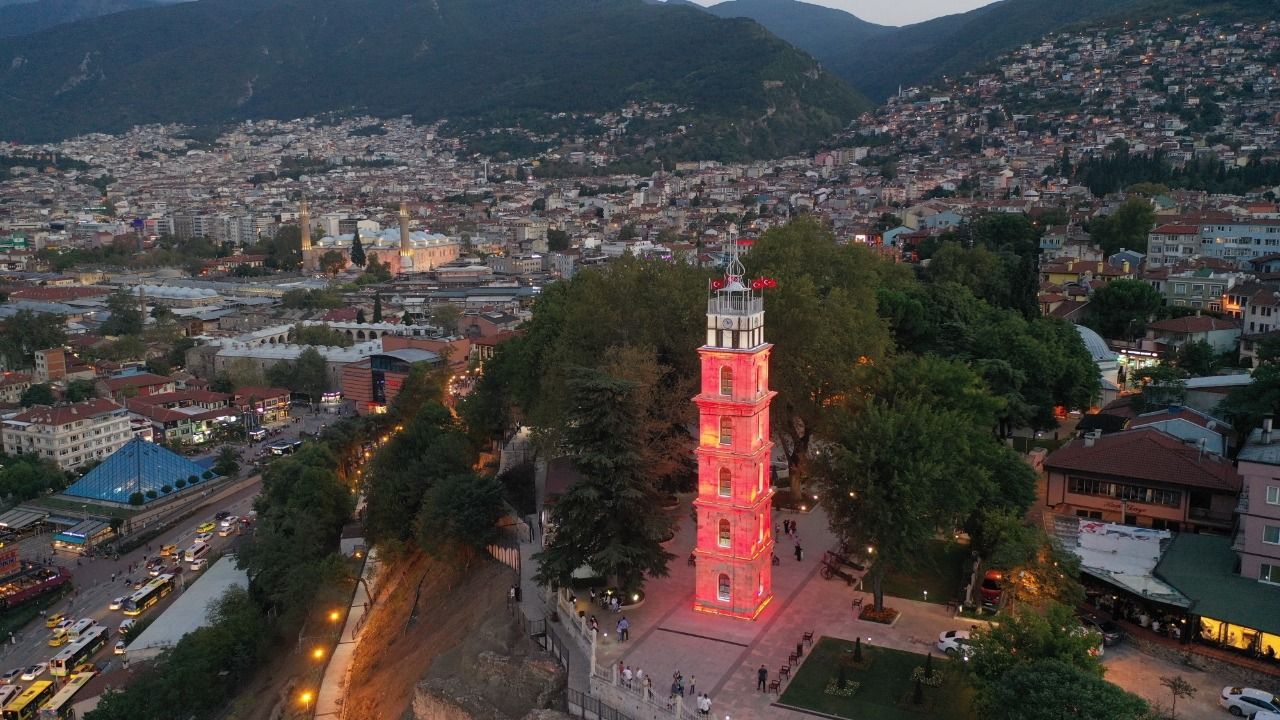
The Hüdavendigâr Mosque is situated near the city center of Bursa, within the Osmangazi district.
See also
-
Murad I
-
Hüdavendigâr Complex
-
Ottoman mosques in Bursa
-
Early Ottoman architecture