






New Mosque
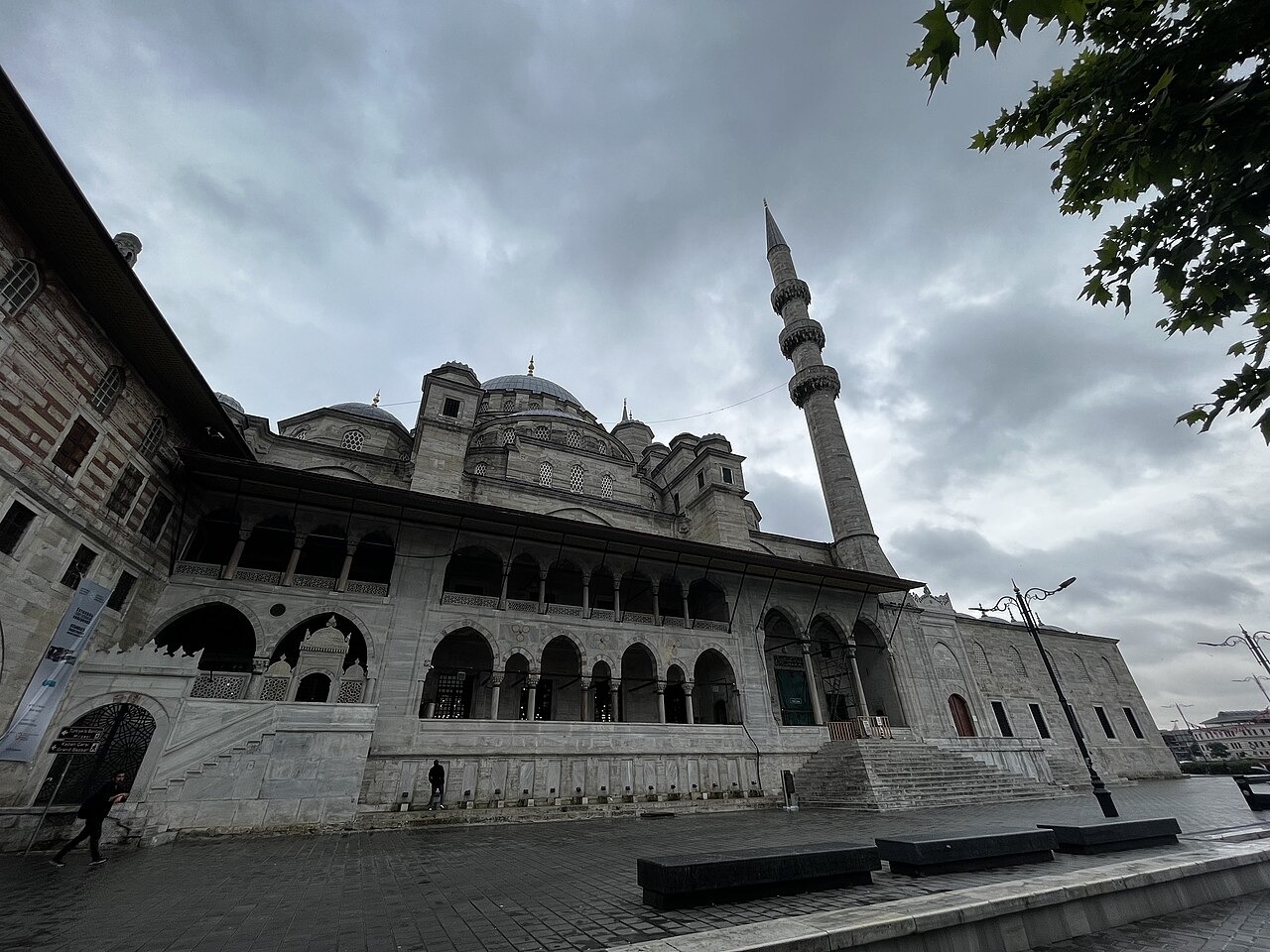
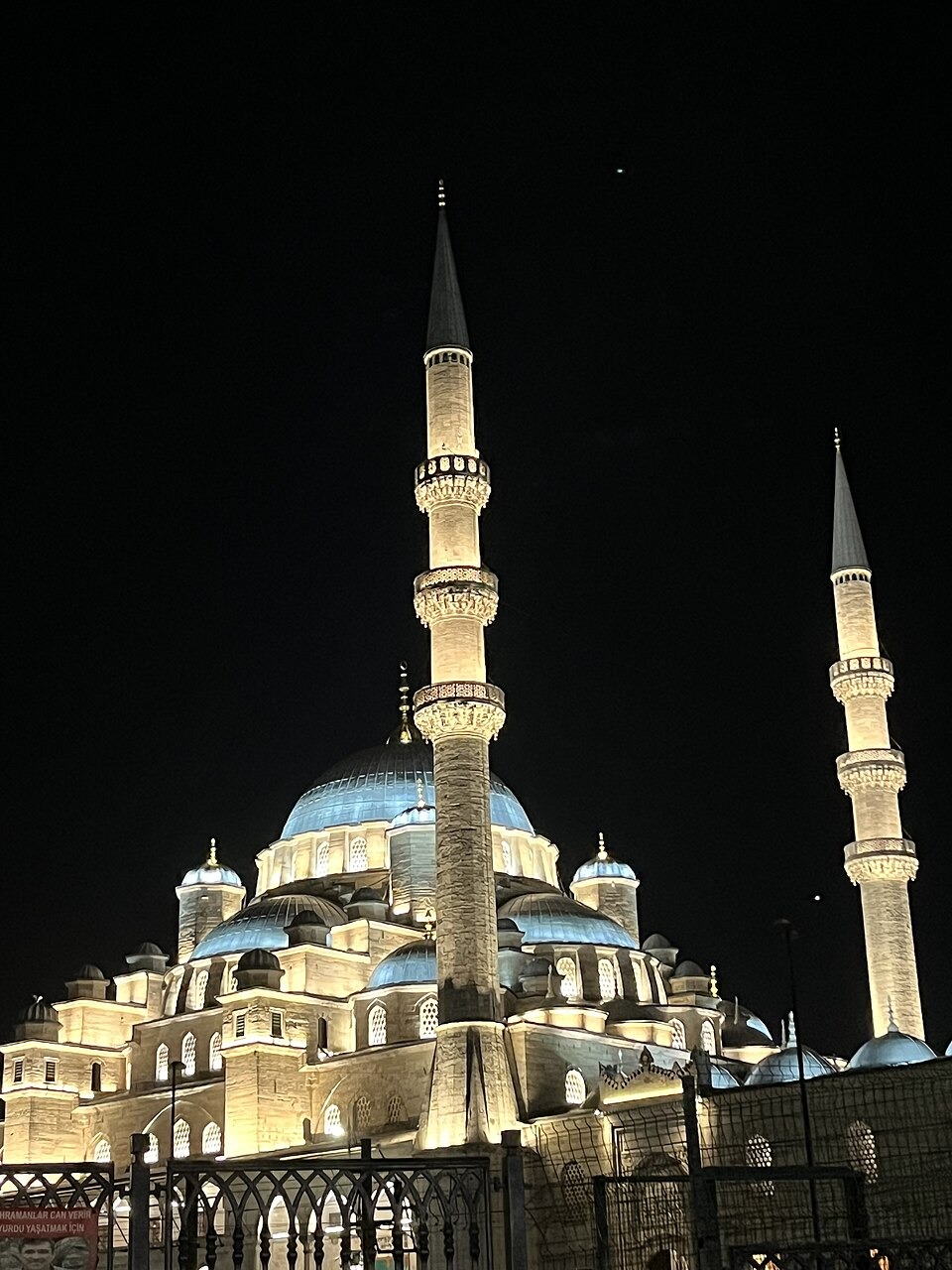
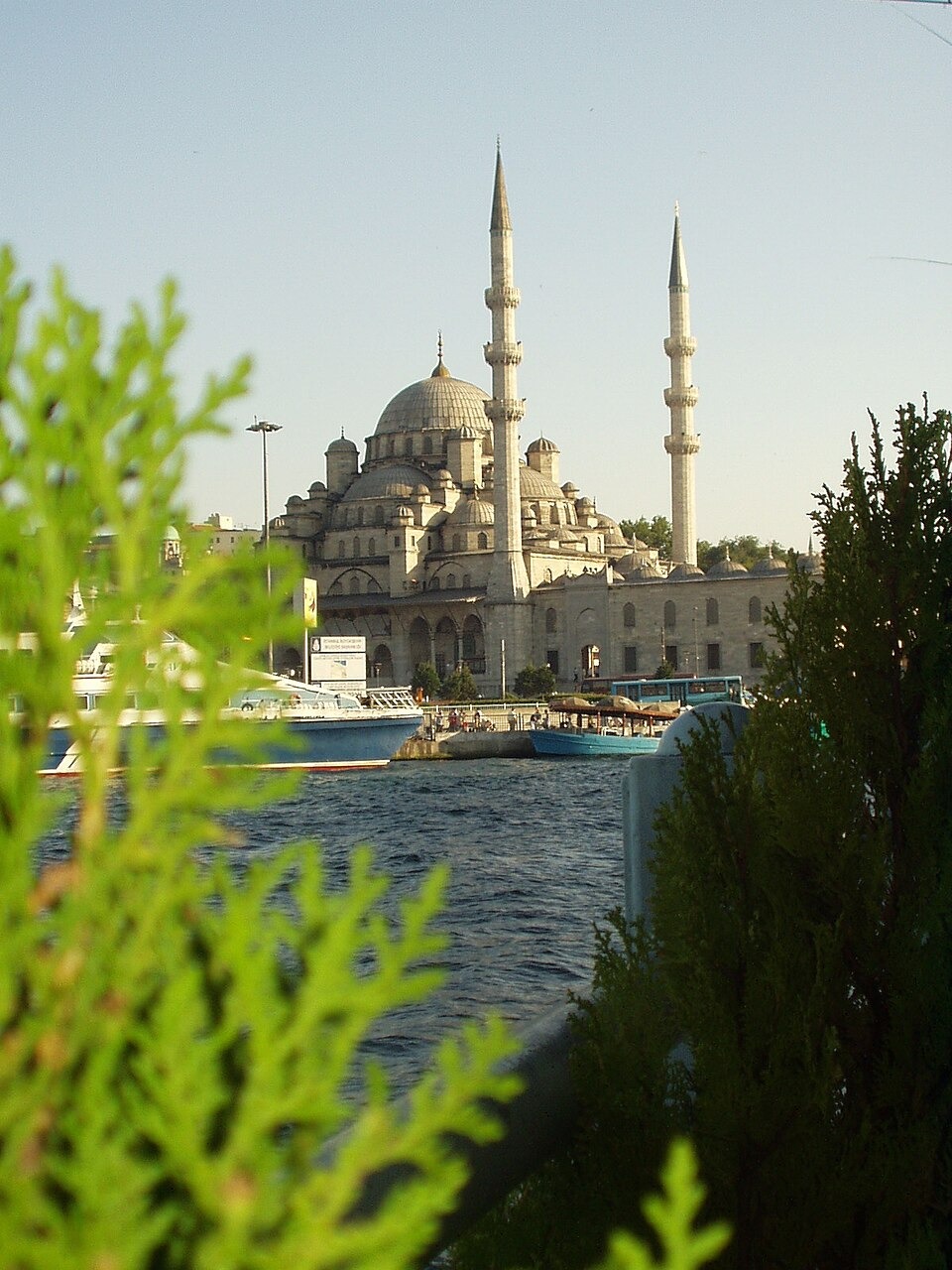
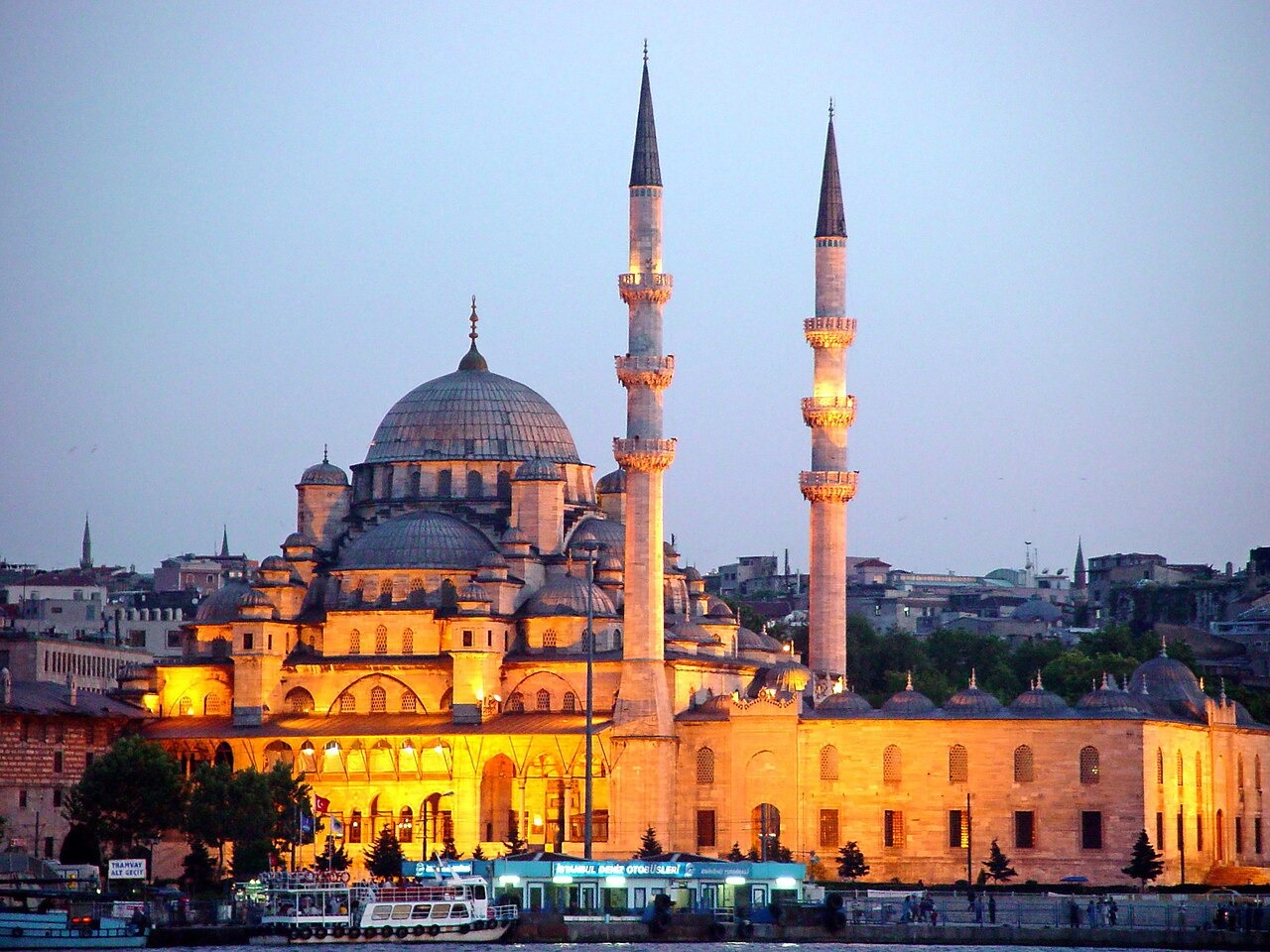
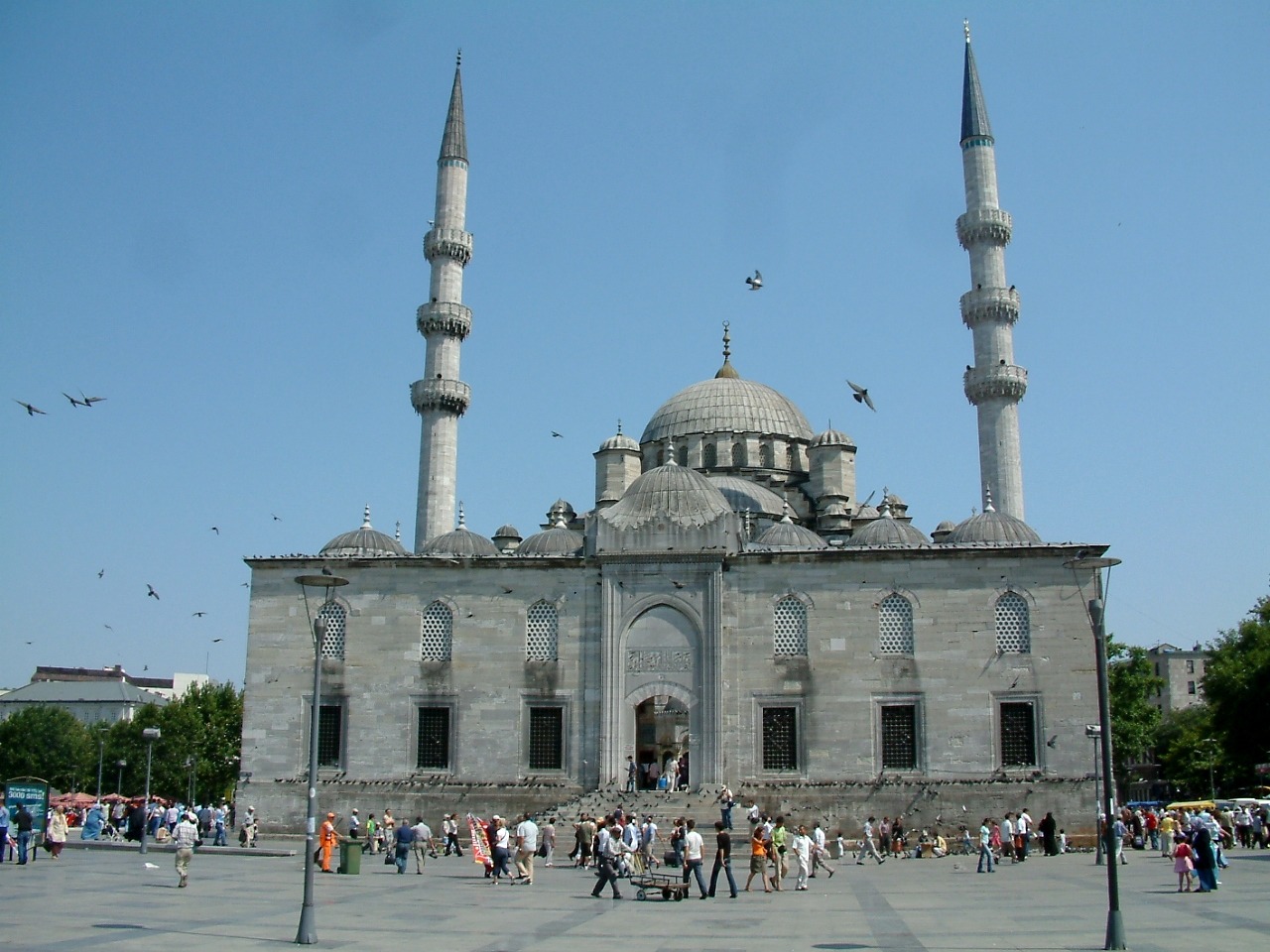
The New Mosque, or Valide Sultan Mosque, is a mosque in Istanbul whose foundation was laid in 1597 by order of Safiye Sultan, wife of Sultan Murad III, and completed and opened for worship in 1665 through the great efforts and donations of Turhan Hatice Sultan, mother of the then-sultan Mehmed IV.
Significantly contributing to the city's skyline and visual appeal, the New Mosque is the last example of large mosques built by the Ottoman family in Istanbul. It is known as the mosque that took the longest time to complete in Ottoman Turkish architecture. Construction was started by architect Davut Ağa and continued by architect Dalgıç Ahmed Ağa, but the project was left unfinished after the death of Safiye Sultan. It was finally completed 66 years after its inception by the chief architect of the period, Mustafa Ağa, during the reign of Mehmed IV.
The mosque was built on the seafront, but its distance from the sea increased later due to land reclamation.
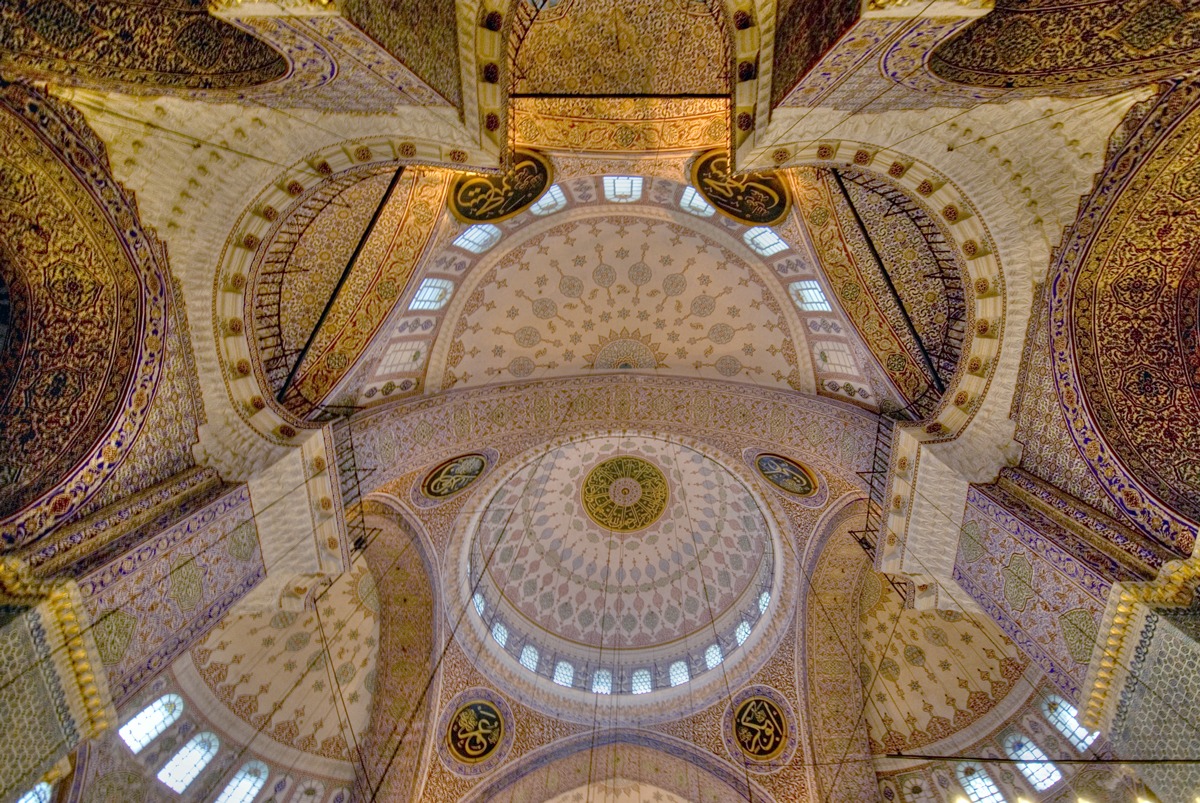
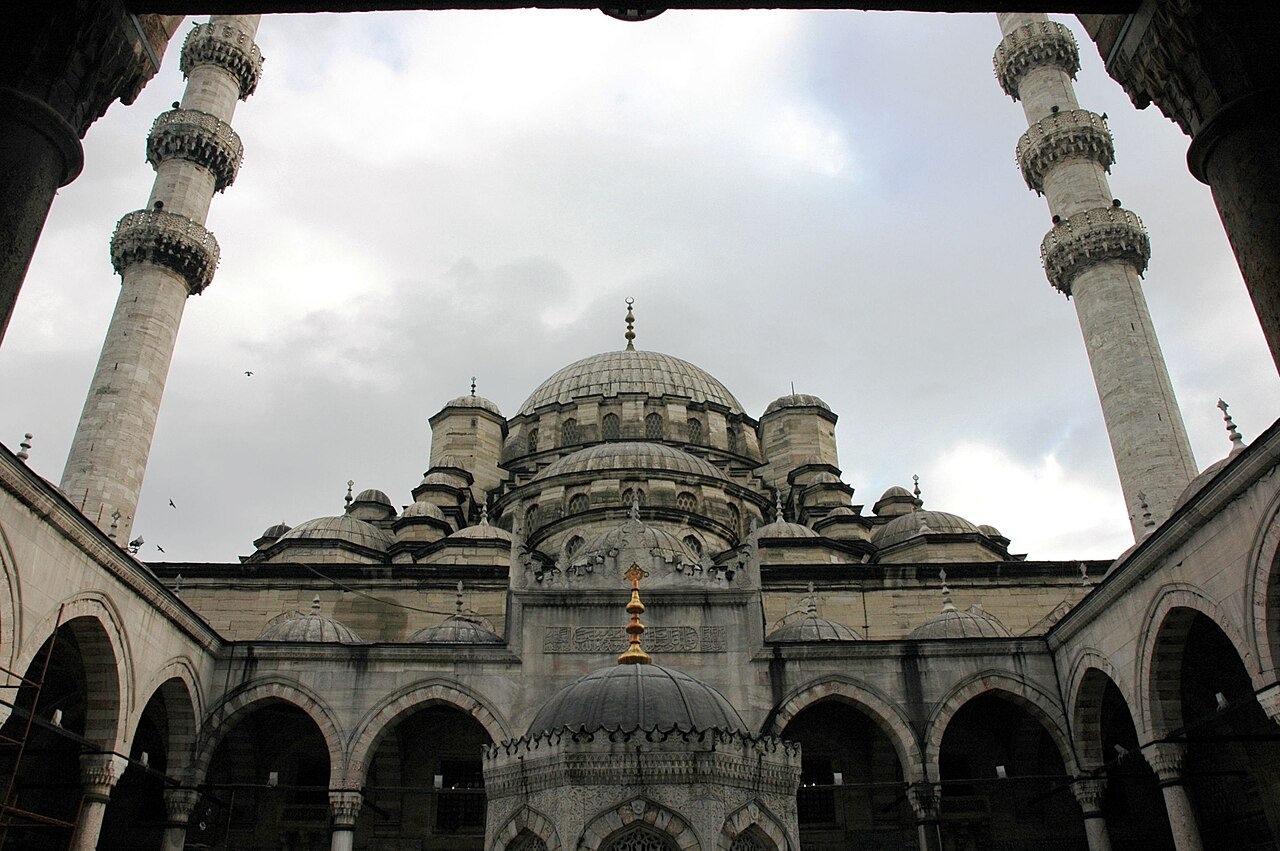
The mosque's architectural style is characterized by the emphasis on the height of the dome and the arcades on the side facades. It repeats the dome plan used by Mimar Sinan in the Şehzade Mosque and by Sedefkar Mimar Mehmed Ağa in the Sultanahmet Mosque. However, the pyramid-like rise of the dome is a unique feature.
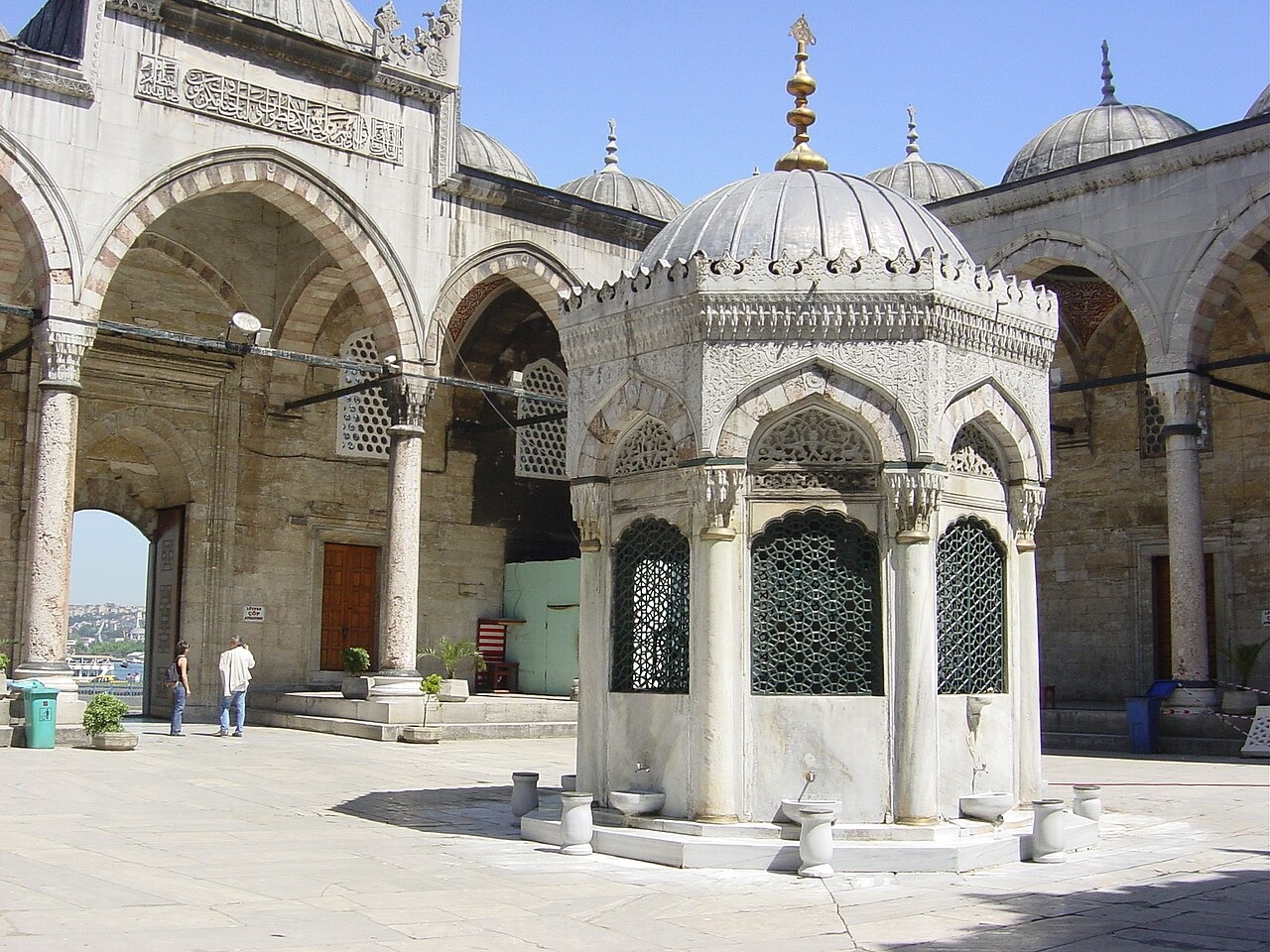
Along with the New Mosque, the Valide Sultan Tomb, Hünkâr Kasrı, sebil, fountain, primary school, darülkurra, and the arcade of the Egyptian Bazaar were built. Later, a library, muvakkithane, a tomb, and fountains were added to the complex.