




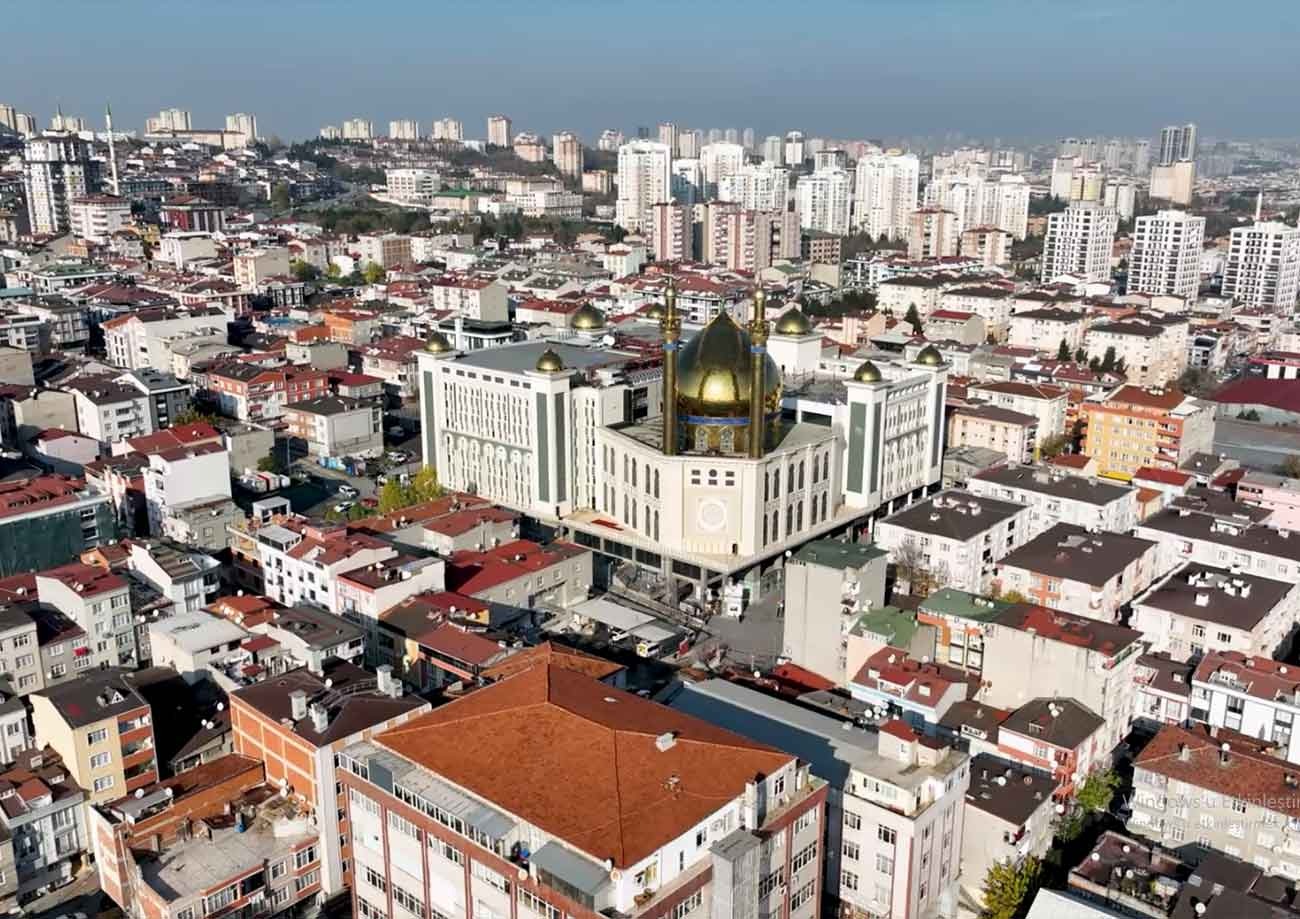

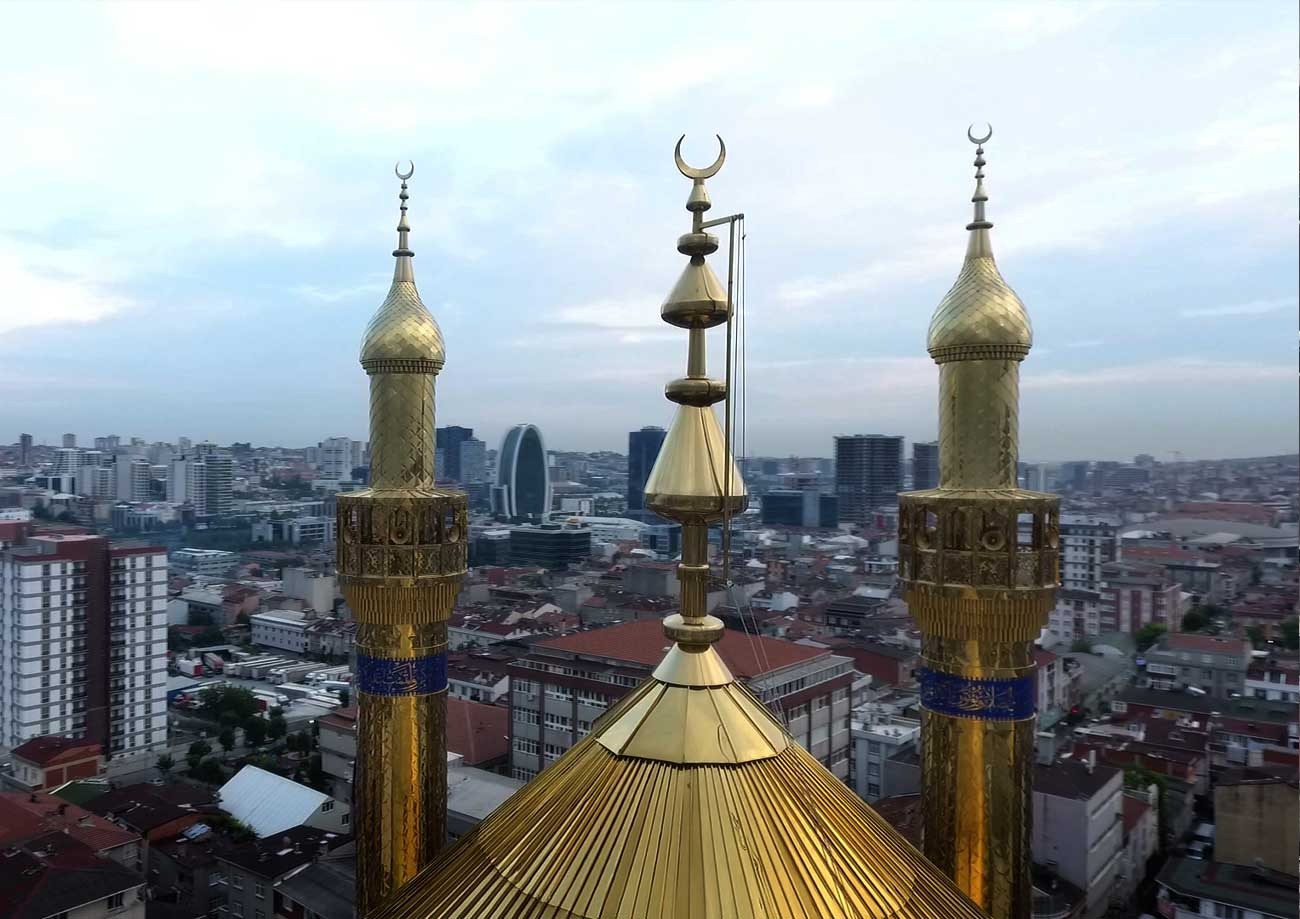
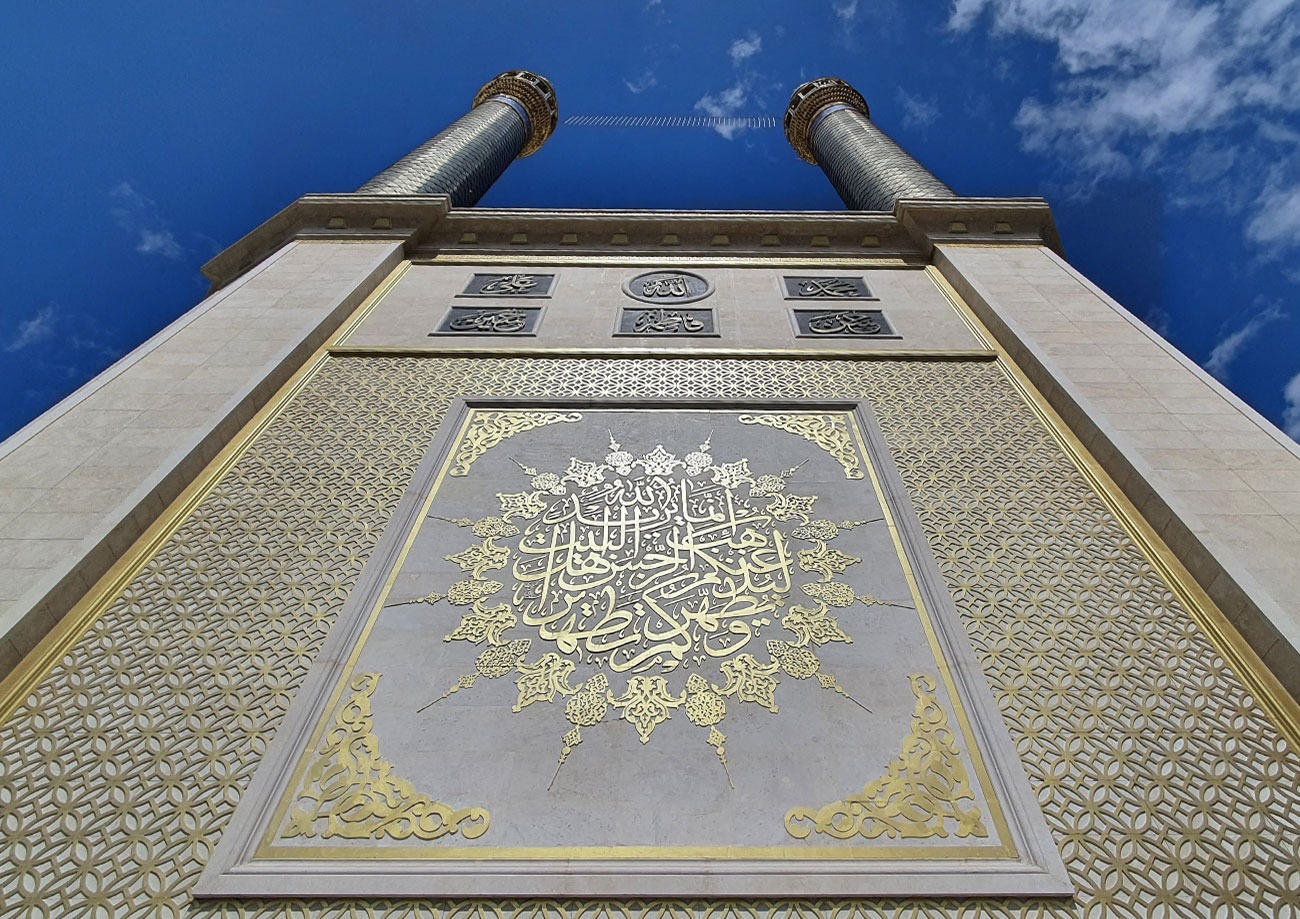
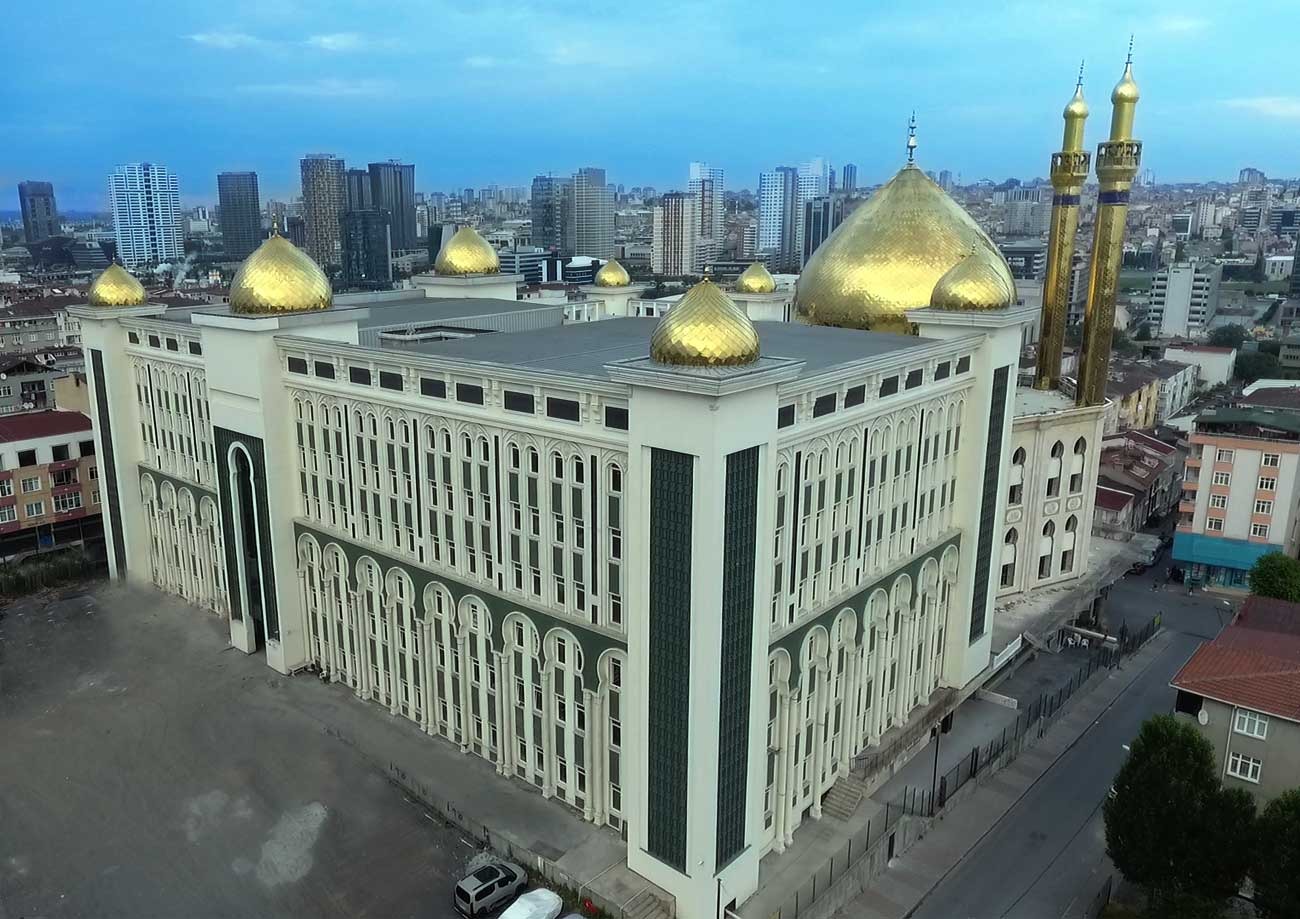
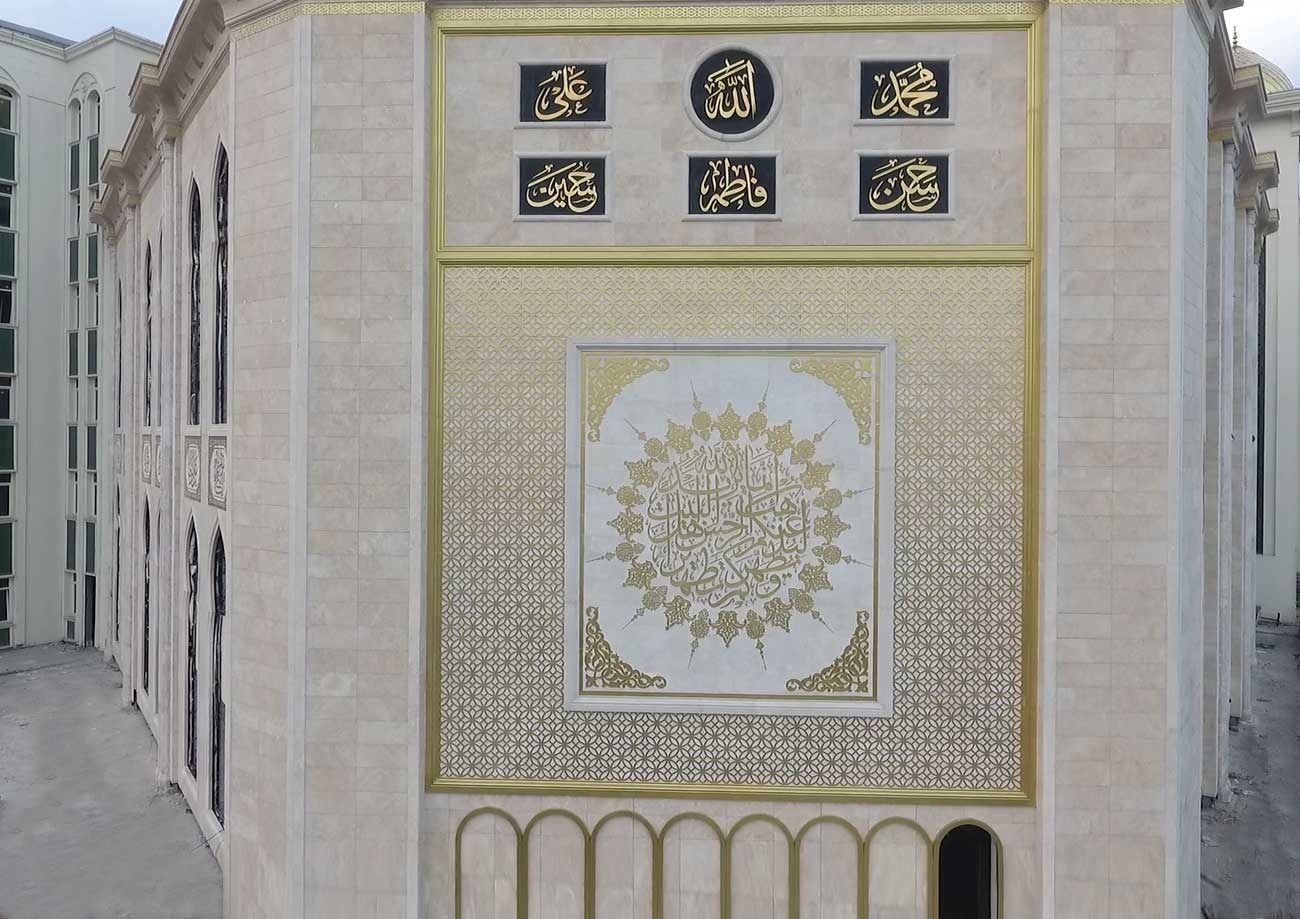
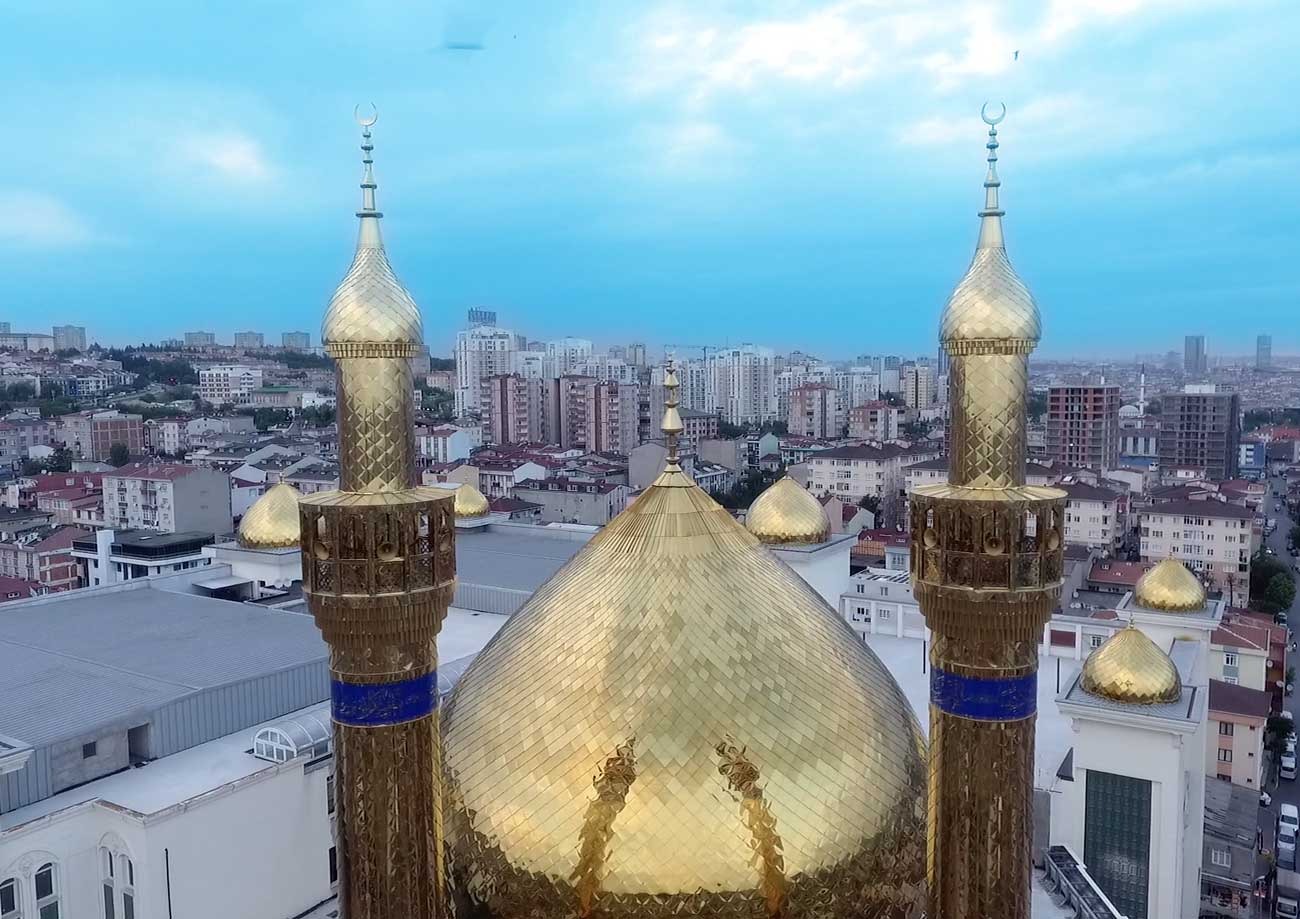

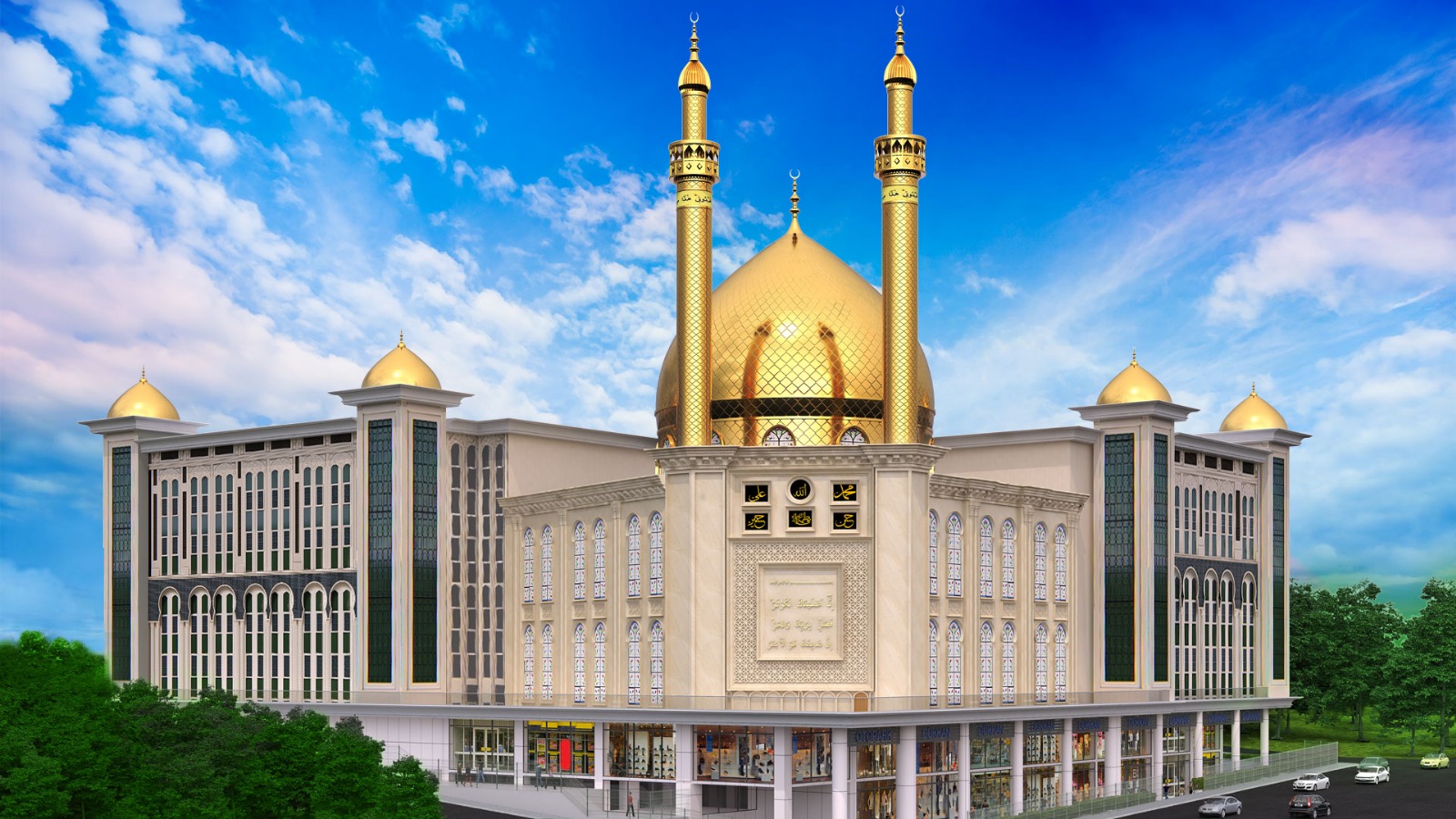
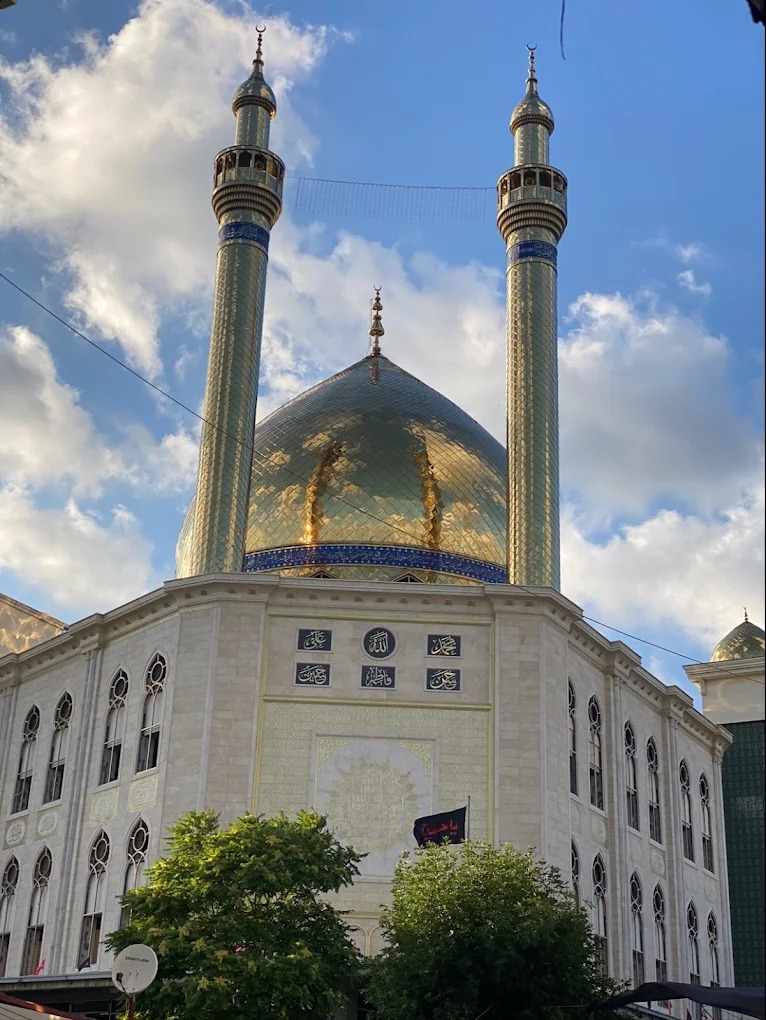

ZEYNEBİYE MOSQUE AND CULTURAL CENTER
The Zeynebiye Movement took root in Istanbul, the meeting point of Europe and Asia, under the leadership of Selahattin Özgündüz, Leader of the Turkish Caferis, with the significant support of the late Sheikh Hamit Turan, despite challenging political and economic conditions.
The Zeynebiye Mosque, modestly built in 1978, became the center of this movement. It takes its name from Hz. Zeynep, who, after Imam Husayn's (a.s.) painful and self-sacrificing resistance and martyrdom in Karbala, resolutely raised her voice to the ummah for Islam to be revived.
Adopting “National Unity and Solidarity” for their country and “Unity” for Islam as their motto, the Zeynebiye community worshipped in this mosque for 21 years and grew over the years to become an exemplary community. It has played an important role in promoting the school of thought of the Ahl al-Bayt in Istanbul, Turkey, and even worldwide, and has pioneered the construction of dozens of mosques throughout the country.
The Zeynebiye Movement, which does not remain silent about the oppression suffered by Muslims anywhere in the world and brings these injustices to the forefront in Turkey through major events, is also a respected movement for its activities that instill Islamic and humanitarian consciousness in society.
In addition to its contributions to social development, it organizes the “Universal Ashura Ceremony” with the participation of hundreds of thousands of people from all walks of life. This ceremony has been recognized by UNESCO as the “Most Qualified Ashura Program.”